

Why is brown toilet paper better?

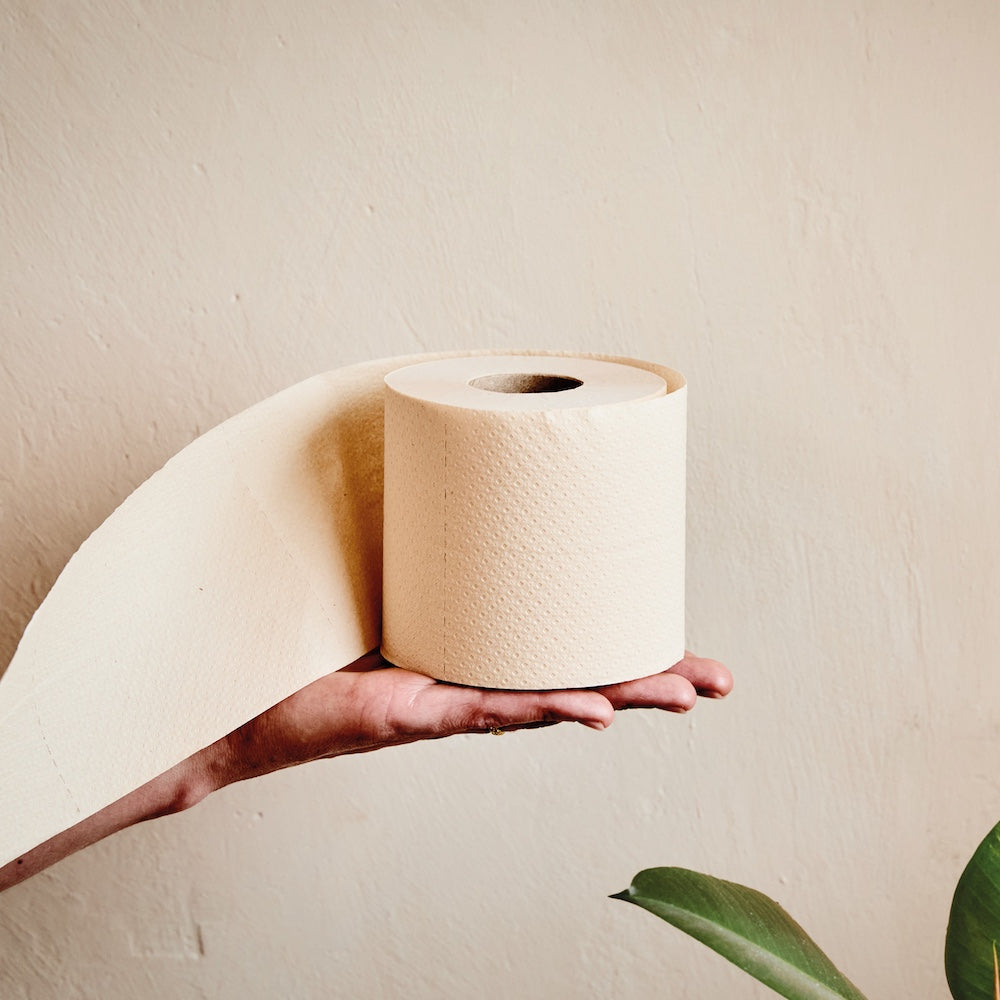
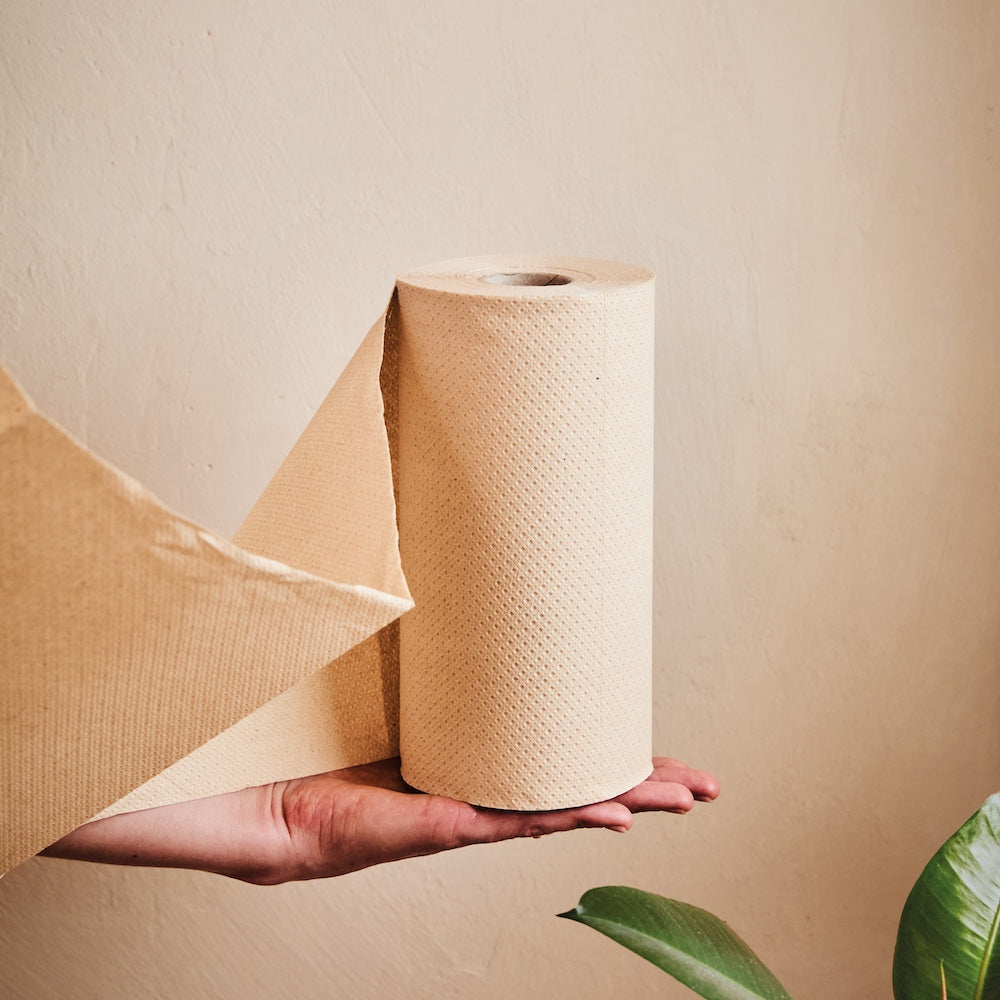
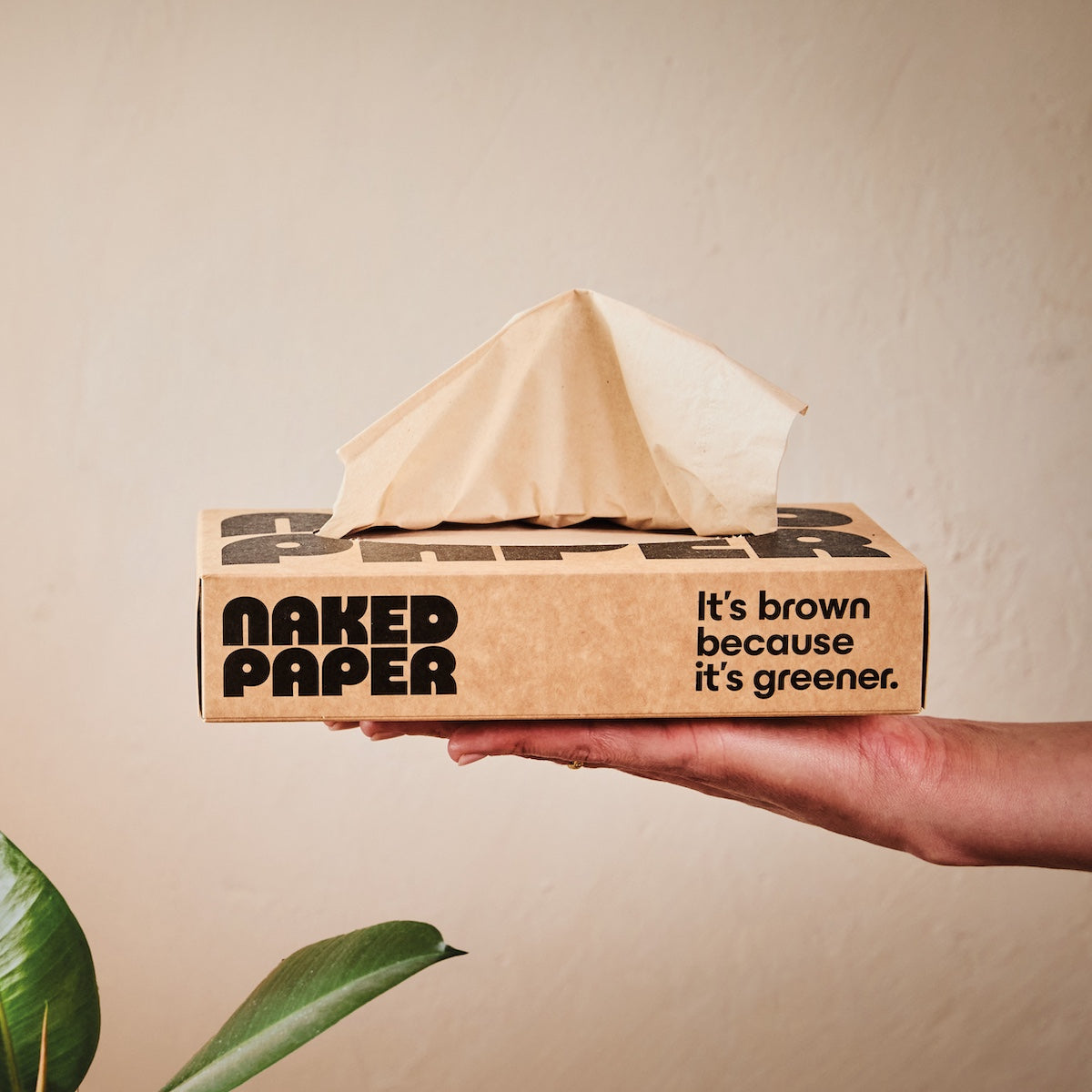
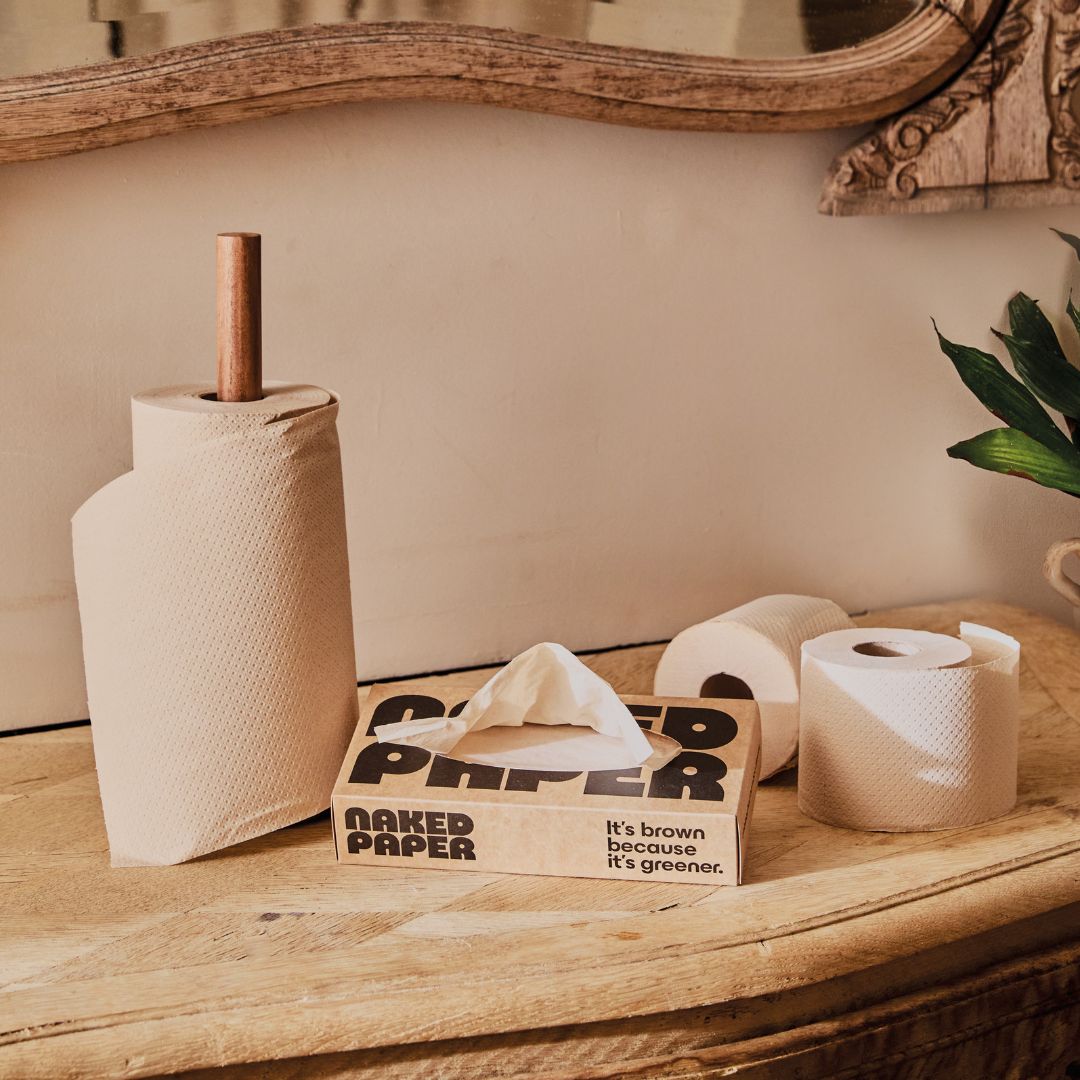
When people first see our bleach-free toilet paper in the bathroom, or kitchen rolls on the counter, or tissues on the coffee table, they tend to be curious about the colour.
So we like to say Naked Paper is “brown because it’s greener.”
It’s a simple statement that answers a hundred questions, and it’s true. Keeping our products their natural shade of brown really does reduce the impact on waterways, skin, and energy.
If you’ve ever seen our brown sheets and wondered about the colour, here’s the rest of the story.

Why isn’t it white?
First, we’ll address the elephant in the bathroom. Just because something is normal, doesn’t mean it’s natural.
Take toilet paper; there are no raw materials that you can use to make toilet paper that will naturally give you pure white rolls. Whether it’s made from recycled paper, bamboo, trees, or straw, the cellulose fibre that makes tissue comes with pigment, and removing that pigment requires bleach.
So yes, all white toilet paper is bleached toilet paper. Same for kitchen roll and tissues.
When we spotted it for the first time, we couldn’t un-see it. We built Naked Paper around the fact that bleach wasn’t necessary, and we don't use it.
But what’s the problem here? What’s the cost of using bleach?

Better for water
In the past, toilet paper, like other paper, was bleached using chlorine-based chemicals that are incredibly polluting.
Industrial processing involving standard chlorine bleach releases harmful substances known as dioxins and furans. These are Persistent Organic Pollutants (POPs) that accumulate in waterways causing damage to human and environmental health.
Nowadays most toilet paper brands use "Elemental Chlorine Free" (ECF) or "Totally Chlorine Free" (TCF) methods instead of chlorine bleach for their manufacturing. Research suggests these reduce pollutants but don’t eliminate them entirely.
And the impact on water isn’t just chemical. The stage of bleaching toilet paper, however you do it, increases the amount of water that’s needed during manufacturing. Bleaching chemicals and water are added to the liquid pulp and it’s washed repeatedly to get rid of all the brown pigment and bring it up to a bright white shade.
We don’t think all this extra processing is worth it for something that’s designed to be flushed away.

Better for skin
Our skin is our largest organ, and it is highly porous. Anything that comes into contact with it can be absorbed into your bloodstream.
Research published in medical journals has suggested links between the residual chemicals used in the bleaching process and a range of health complaints, from minor irritations to more serious concerns.
At Naked Paper, we often hear from customers who suffer from skin sensitivities and have noticed a big difference when they switch to Naked Paper for their toilet paper, or use Naked Paper tissues instead of standard bleached sheets. We’re always happy to hear it; cosmetic alterations that don’t improve the product, like bleaching tissue products, shouldn’t come at the expense of comfort.

Better for energy
And finally we’d like to point out that making paper white isn't just chemically intensive; it uses other resources as well.
In its natural state, wood and bamboo pulp contain lignin, a natural component that gives the fibres their brown colour and strength. This is the source of the brown pigment that’s chemically washed away during the pulp bleaching stage.
We’ve already mentioned that washing this off uses extra water. It uses extra energy too. The bleaching stage makes up a significant chunk of the total fuel use in paper and tissue mills.
Why not skip it?

You can see the difference
That’s why we showcase the colour of Naked Paper, the natural shades of the raw materials. Our recycled products are made from recycled cardboard boxes and packaging paper, so they’re brown. Our bamboo products are made from bamboo. So they’re brown as well.
We like to think our bleach free products send a simple message; the things we use every day can be made better, more simply, and with less impact on the environment.
We are making loo roll you can be proud to use. And yes, we’re making it brown.
Want to try Naked Paper at home?
Recent blog posts
-

Why is brown toilet paper better?
When people first see our bleach-free toilet paper in the bathroom, or kitchen rolls on the counter, or tissues on the coffee table, they tend to be curious about the colour. So we like to say Naked Paper is “brown...
-

Is there such a thing as organic toilet paper?
If you've become more conscious of the products put on and in your body in recent years, you're not alone. As we learn more about problems with ingredients that have been regularly added to household products for years, it's natural to...
-

Four hidden impacts of toilet paper (and why they're hard to spot)
Toilet paper is a simple, everyday product that doesn’t always get a lot of attention. In the UK, we get through about 127 rolls per person each year, and we probably don’t think much about any of them. It’s a...


