


Sustainable paper. Thoughtfully made.
Our supply chain is designed to do better. Better for the planet, better for workers, and better for transparency. We start with responsibly grown bamboo, locally sourced recycled materials, and a factory powered by wind, sun, and natural biofuel. No unnecessary emissions. A fossil fuel free factory. As little waste as possible.
Our recycled supplier.
Recuperacions Auladell.
✦ Girona, Spain.
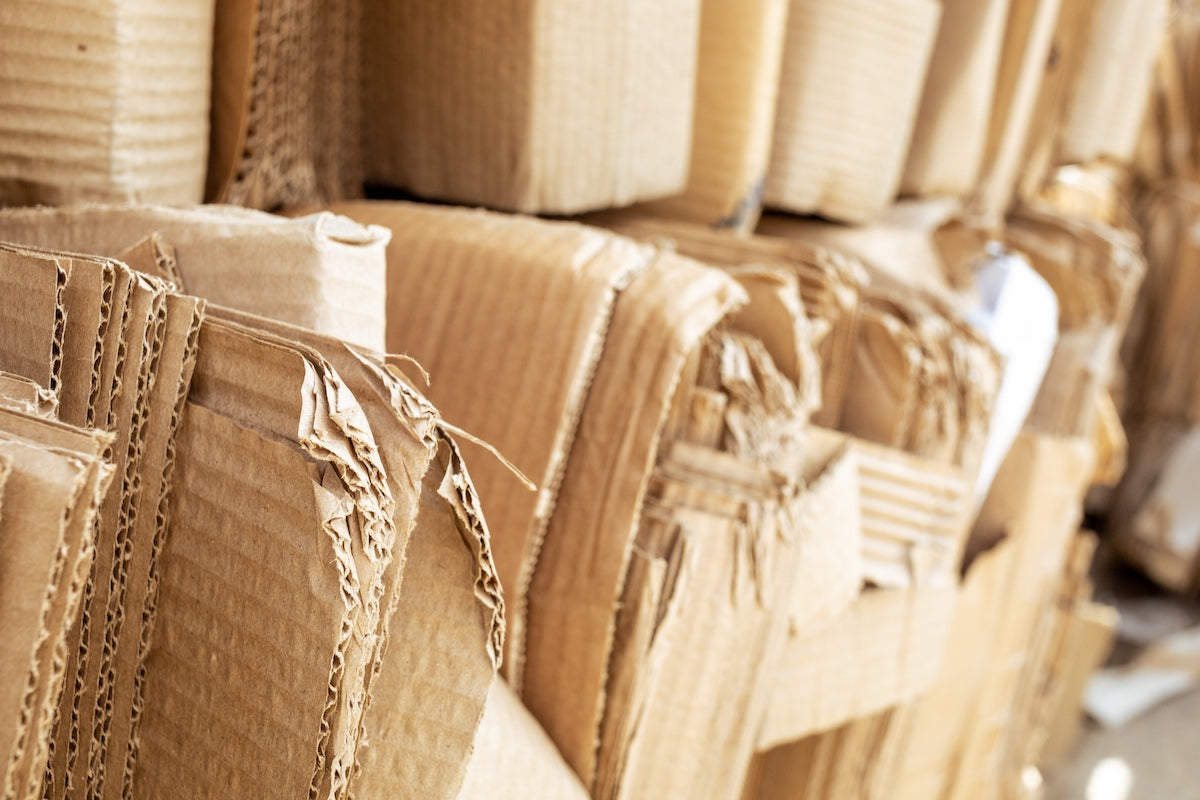
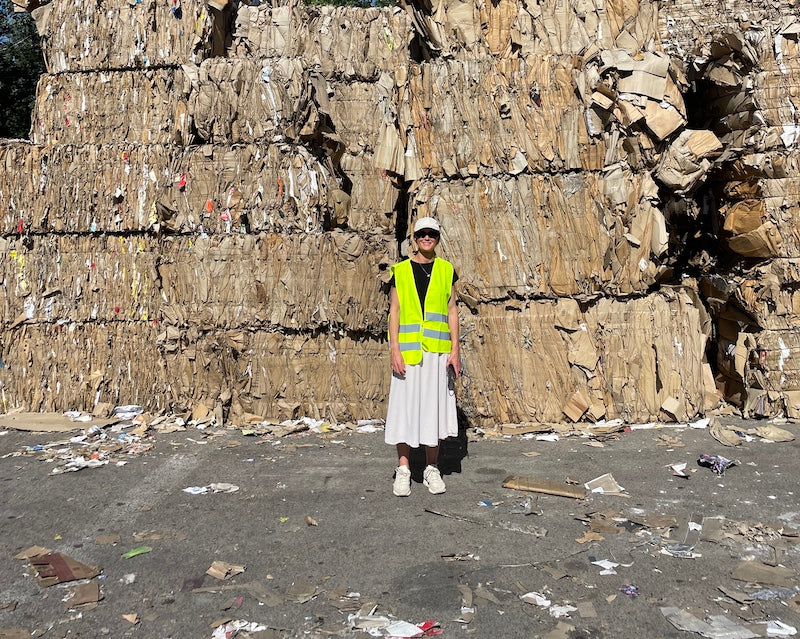
Recuperacions Auladell is at the heart of our recycled paper supply, providing the post-consumer recycled kraft paper and cardboard used in our recycled toilet rolls. By sourcing these materials close to our factory, we help reduce the need for long distance transport and virgin resources. Giving discarded materials a second life.
Their fully automated, solar-powered sorting system ensures efficiency without reliance on fossil fuels. Even the heavy lifting is done sustainably. Electric cranes replace diesel-powered machinery, making the process cleaner from start to finish.
Once sorted, the recycled cardboard is crushed, baled, and transported just 18 miles to our factory, where it’s transformed into new rolls. Keeping waste out of landfills and sustainability at the core of every sheet.
Our bamboo suppliers.
✦ Guizhou, China.
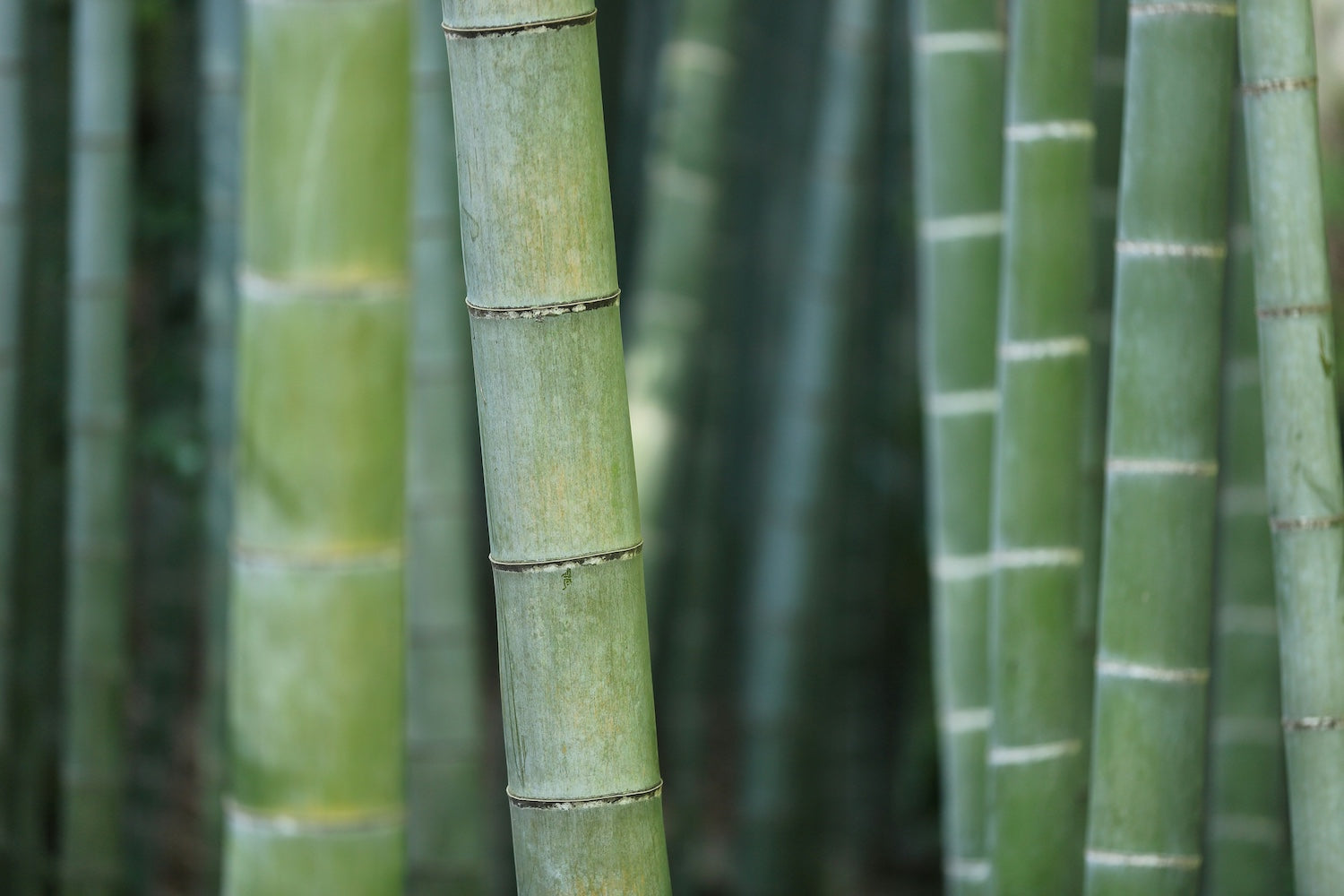
Taison is the world's largest bamboo pulp producer, making around 1.5 million tonnes of bamboo pulp a year from around 1 million acres of bamboo forest. Their mill has been based in Chishui since 2003, in a region known for its bamboo.
Their bamboo is grown without fertilisers or pesticides and naturally regenerates from the same root, so there's no replanting needed. It can be harvested again every two to three years. The bamboo we use is FSC certified.
Their bamboo plantations help support rural economies in the region, and they buy bamboo from local farmers, who harvest it from their own bamboo forests just a few kilometres from the mill.
Even waste is put to good use. Black liquor, a by-product of pulping the bamboo, is used as fuel, and leftover sawdust goes to a nearby biomass power plant, so almost nothing goes to waste.
Chengdu Qingya Paper Co.
✦ Sichuan, China.
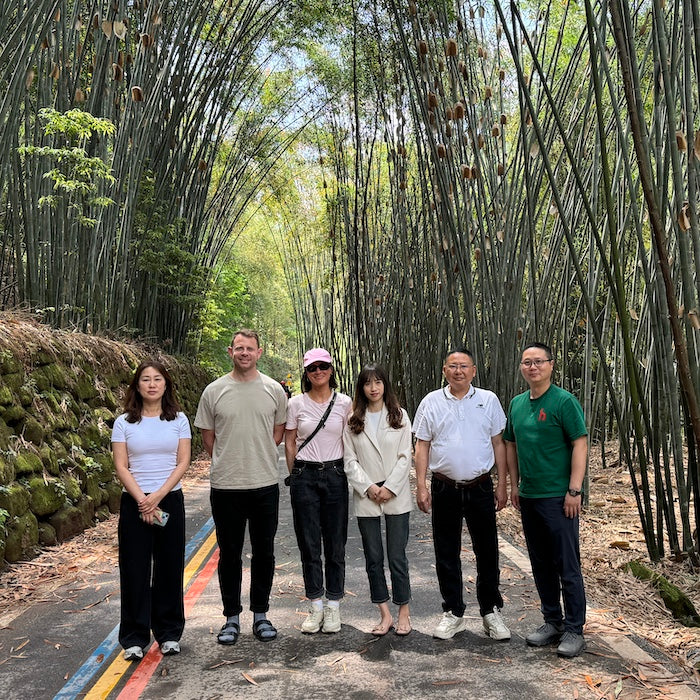
Founded in 2007, Chengdu Qingya Paper Co. sells more than 10,000 tonnes of bamboo pulp board every year, and their products are exported to more than ten countries, including the UK.
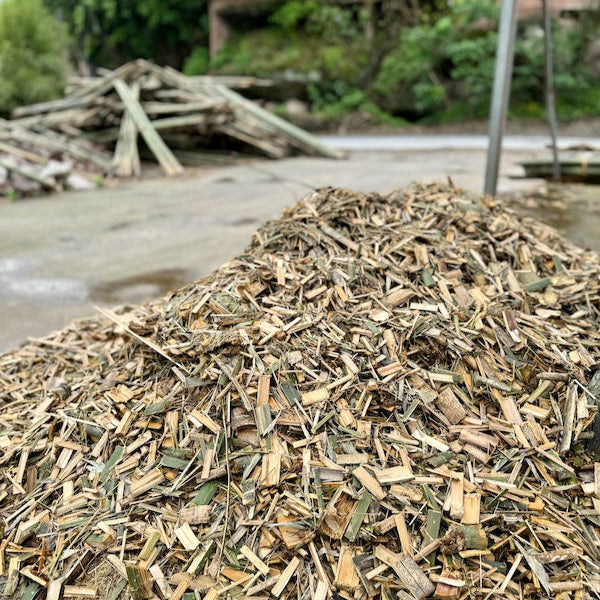
They own their bamboo base and control every step from raw material to finished product. Their bamboo is chopped, pulped, and dried on-site.
Their bamboo is grown with no fertilisers or pesticides. It matures in three years, sprouts again each season and needs no replanting, and only a little water. The bamboo we use is FSC certified.
Bamboo transport & processing.
Taison’s pulp begins its journey by road to Chongqing port, then travels by sea to Barcelona, before making its final trip by road to our factory in Girona.
Chengdu Qingya’s pulp follows a similar route, transported by road to Yantian port, then shipped by sea to Barcelona, and delivered by road to Girona. Ready to be turned into better paper.
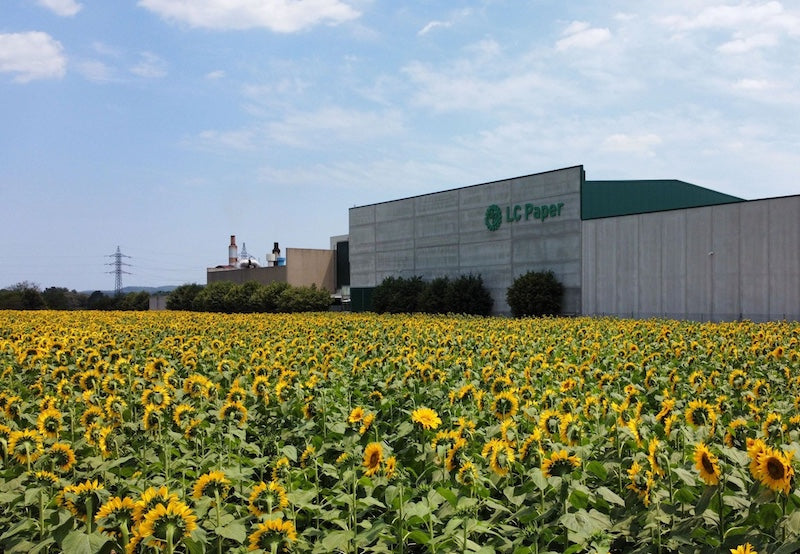
Our factory: LC Paper.
✦ Girona, Spain.
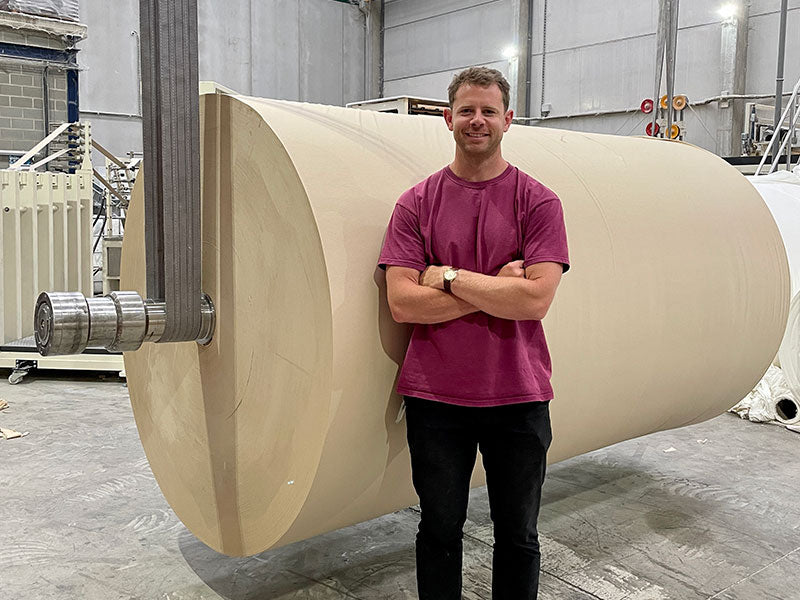
LC Paper has been redefining sustainable tissue production for generations. A fifth generation, family owned manufacturer since 1881, they combine heritage craftsmanship with forward thinking innovation to run a fossil fuel free factory.
As a Certified B Corp, LC Paper is committed to the highest environmental and social standards. Their factory runs on an onsite biomass boiler and over 8,000 solar panels, and is powered by 100% renewable energy. Their dedication to efficiency goes even further, with award-winning energy innovations, including a patented process for conserving heat, reducing waste and emissions.
Sustainability should never come at the cost of fair wages. At LC Paper, every employee is paid a living wage, because a better supply chain means looking after people as well as the planet.
A better way to deliver.
Cargobeamer Rail Network.
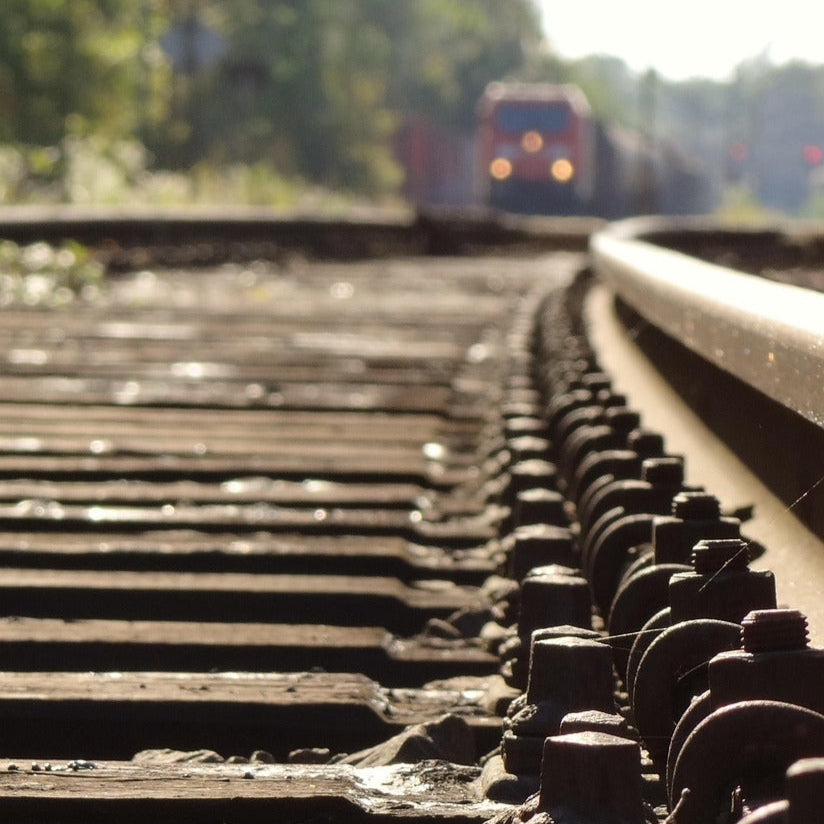
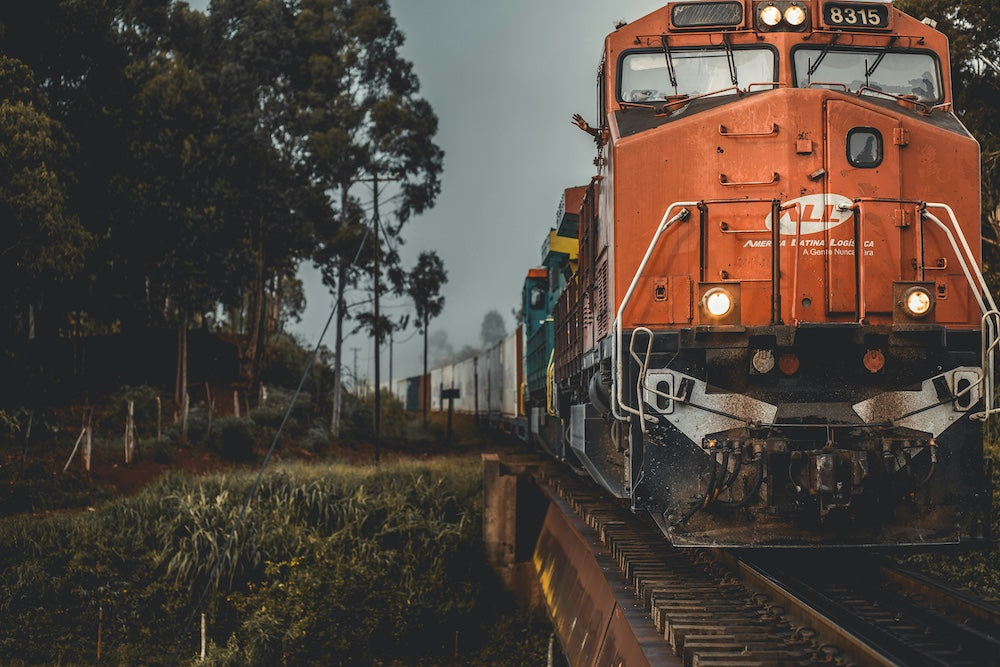
Our finished rolls travel through CargoBeamer’s electrified rail system, running between Perpignan and Calais. By shifting freight off roads and onto rail, we reduce emissions while keeping deliveries efficient. CargoBeamer has been certified carbon neutral by TÜV Nord Cert since 2022 and is part of The Climate Pledge, committing to net-zero emissions by 2040. Around 85% of emissions are avoided through rail transport, and the remaining ~15% are offset using Gold Standard credits that support renewable energy and community projects.
DPD – final mile delivery.
For the final stretch, we partner with DPD, who deliver using electric vans and biofuel-powered vehicles, helping to reduce delivery emissions. They’re rolling out all electric depots, electrifying their fleet, and converting HGVs to renewable biofuel. Their environmental efforts have earned ISO14001 accreditation and an Ecovadis gold medal rating. While DPD offsets its delivery emissions, we still track and include them in our footprint - because we don’t believe in offsetting our way to sustainability.

The first climate labelled toilet roll.
Life Cycle Assessment (LCA).
We don’t just talk about sustainability. We measure it. Every roll goes through a Life Cycle Assessment, tracking emissions from start to finish. No estimates. No shortcuts. Just real data.
Our footprint is measured in CO₂e. A way of calculating all greenhouse gases released at every stage of a product’s life. Instead of relying on offsetting or broad sustainability promises, we take responsibility for every step. Our assessment meets the ISO 14067 standard, the most thorough and transparent in the industry.
What we measure.
Raw materials.
It starts with what goes into our rolls. For our recycled rolls, we measure emissions from collecting, sorting, and transporting post-consumer cardboard before it’s given a second life. By sourcing recycled materials close to our factory, we keep transport emissions lower than standard recycled paper supply chains.
The same applies to our bamboo rolls. We track emissions from growing, harvesting, and pulping our bamboo, ensuring that every step is accounted for. Our bamboo is shipped from China to our factory in Spain, with every mile of transport factored into our calculations.
Manufacturing.
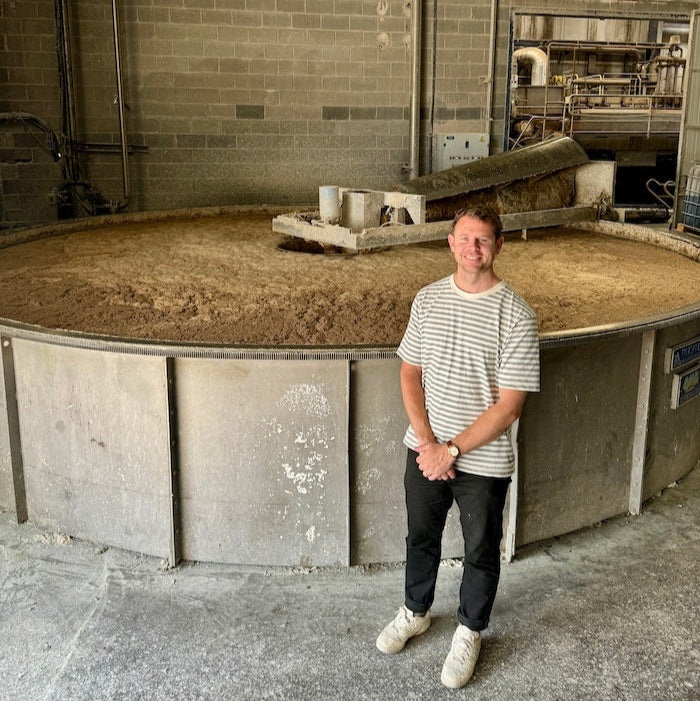
This is where we make the biggest difference. While traditional toilet roll production relies on fossil fuels, ours is made in a fossil fuel free factory. It runs on wind, sun, and natural biofuel, with a patented heat conserving process that reduces energy waste.
Our 2-ply rolls match the thickness of 3-ply rolls, meaning less material, fewer emissions, and no unnecessary waste. Even the small details matter. Our rolls are bound with natural adhesives made from pine sap, cutting out synthetic chemicals.
Distribution & waste treatment.
From factory to doorstep, we track emissions at every stage of transport. That includes moving rolls from Spain to our UK warehouse, as well as the final mile delivery with DPD.
We also partner with CargoBeamer’s electrified rail network, a certified carbon neutral transport system that reduces the environmental impact of moving large volumes of product.
But our responsibility doesn’t stop at delivery. We factor in emissions from waste treatment and disposal, ensuring that our calculations reflect the full life cycle of our products. Even after the last sheet is used.

The result? A footprint that treads carefully.
Our toilet rolls are made with sustainability in mind, with every stage of production carefully measured, verified, and transparent.
For a detailed breakdown of how we calculate emissions at every step, check out our Life Cycle Assessment series on our blog.