

Four hidden impacts of toilet paper (and why they're hard to spot)

Toilet paper is a simple, everyday product that doesn’t always get a lot of attention. In the UK, we get through about 127 rolls per person each year, and we probably don’t think much about any of them.
It’s a shame, because all those sheets of tissue come with a significant environmental cost. For such an everyday product, the impact can be much bigger than you’d think.
So, when we say we’re “more sustainable” than average toilet paper, what exactly are we talking about? And why are the hidden impacts so difficult to spot?

Bleach
Why it matters: Getting the white colour that most people expect when they pick up a loo roll means using bleach, and while there are a few different ways to bleach toilet paper, all of them have an environmental impact.
Chlorine bleach is associated with toxic by-products that are harmful to human and environmental health, and in recent years it’s become less popular with toilet paper companies, who are starting to use more chlorine-free oxygen-based bleaching options such as peroxide.
But any type of bleaching means more energy will be used during the manufacturing process, and the bleaching chemicals themselves must of course be produced, packaged, transported. All of this impact is for something that most people don’t even notice.
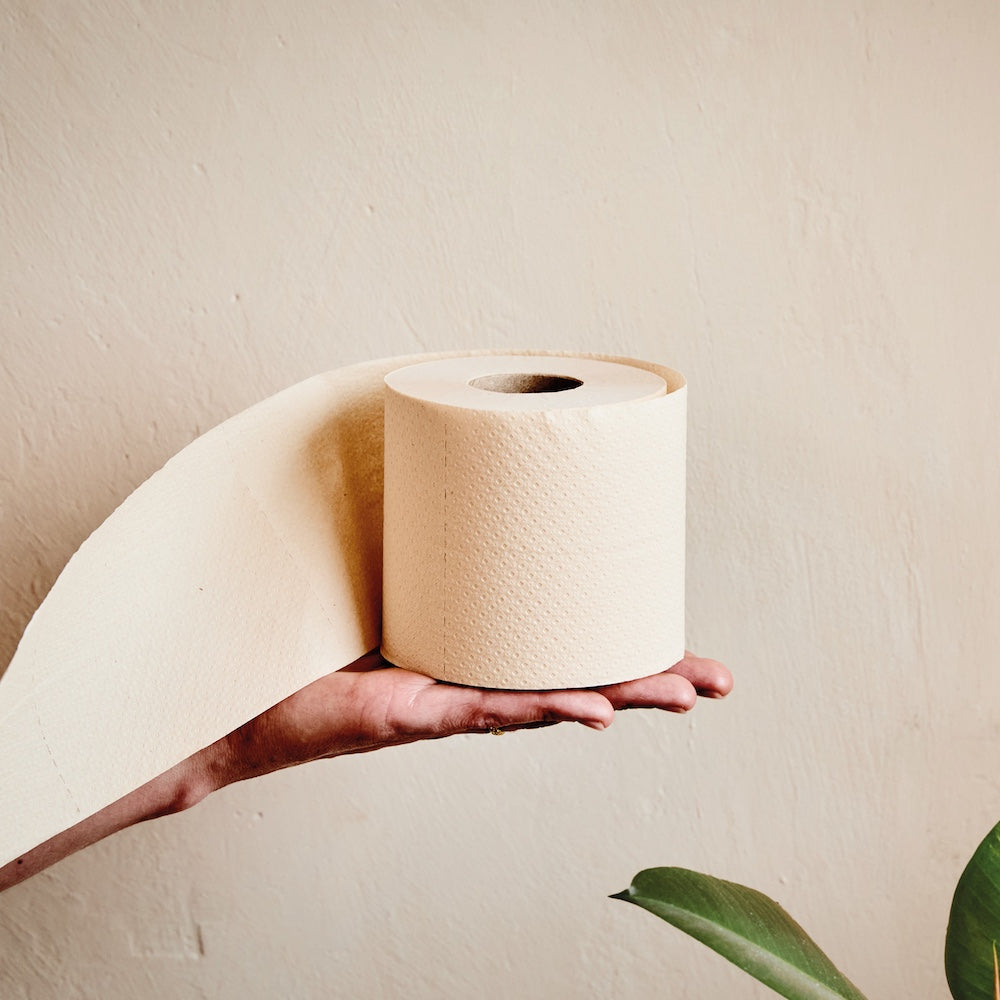
That is, until they see one of our bleach-free rolls.
Why it’s hidden: Bleach is hiding in plain sight. Before we made Naked Paper, we didn’t really notice it ourselves. Now we can’t unsee it.
There are no raw materials used to make toilet paper (or any paper product, for that matter) that will naturally give you pure white rolls.
Recycled toilet paper is generally made from post-consumer paper waste that has been printed on, which would naturally come out a sludgy grey. Wood, bamboo, and other fibrous materials naturally come out in shades of brown and beige due to the lignin in the plant fibre. You don’t see the bleach itself, but if you’re seeing a white roll, you’re seeing its effects.

Energy
Why it matters: To make toilet paper you take a raw material and mash it up with a lot of water until you get a wet pulp that looks like papery porridge.
Next step is pressing and drying, and this happens fast. Tissue pulp is rolled through heavy heated rollers that blast it with air of over 600°C, going from 96% liquid to almost completely dry in just 1.4 seconds.
In essence, we’re changing a liquid into a solid, and it takes a huge amount of heat to power this transition.
For most companies, this heat comes from burning fossil fuels. Natural gas is the fuel of choice in most European paper mills but in much of China and other toilet paper hotspots like Indonesia, the heat is often generated by burning coal.
This isn’t how we do it at Naked Paper. We use renewable biofuels sourced from the area around our factory to generate heat in the first place, and we use a patented heat-conservation system to keep the air hot so our tissue dries more efficiently.
Why it’s hidden: People often ask about the energy it takes to transport our raw materials (if you’re interested, you can get the run-down on that here). We’re glad transport gets attention since it’s important, and there’s a lot that can be done to reduce fuel use during this stage.
But heat generation is the biggest drain on fuel when you’re making toilet paper, significantly bigger than transport, and most people don’t see it. Unless you’re a toilet paper manufacturer, you simply wouldn’t think of it.
If you don’t see the paper pulp, and you don’t hear the hot air dryers, and you’re not feeling the heat of the furnace, you’re not going to know it’s there. And you’re not going to think of the fuel it takes to turn wet pulp into smooth, soft sheets.

PFAS and BPA
Why it matters: PFAS are “forever chemicals”. They’re used to make things grease or water-resistant, so you typically find them in non-stick cookware or waterproof jackets. BPA is a hormone-disrupting chemical that has some medical uses but is more commonly used in manufacturing to make heat-resistant materials like thermal paper or takeaway containers.
At the time when these chemicals became popular in manufacturing, the health risks associated with them weren’t properly understood. They are now. PFAS is extremely toxic to human, animal, and aquatic health, and BPA is a hormone disruptor associated with serious health concerns like fertility problems and developmental issues.
You don’t want either of these substances coming into close contact with your body. And because the skin in your sensitive areas is particularly porous, you definitely don’t want them in your toilet paper.
Unfortunately, that’s exactly where both chemicals have been found.
Why it’s hidden: PFAS and BPA aren’t purposefully added to toilet paper, so nobody knew they were there until relatively recently. BPA, used in thermal paper, was found to be commonly present in recycled rolls in 2011.
PFAS weren’t found in toilet paper until 2023, by which time they were present in every single roll tested in a study by the University of Florida.
Despite the widespread presence of these toxic chemicals in toilet paper, you don’t see many companies rushing to reassure their customers or provide evidence of testing.
We don't think it's good enough. We didn’t know these chemicals could find their way into tissue products for a long time, but we do now. There should be clear answers for concerned customers, and easily accessible evidence.
Naked Paper bamboo toilet paper is free from PFAS and BPA, and Naked Paper recycled toilet paper is also free from PFAS and BPA. You can find our testing, alongside all of our environmental evidence, on our green credentials page.

Climate footprint
Why it matters: Climate footprint matters because the emissions that are released by manufacturing things release compounds into the atmosphere that are changing our climate.
We’ve already talked about one huge contributor to this: the energy used to dry tissue products like toilet rolls. But the transport of raw materials and final delivery also have an impact, and all of it adds up, resulting in a less predictable future.
Why it’s hidden: Some companies won’t tell you the climate footprint of their products because simply they don’t know what it is. Surprisingly, though, this often isn’t the case.
It’s increasingly common for “eco” companies including toilet paper makers to claim that their products are “carbon neutral” or “climate balanced”. This means they’re offsetting, which is a practice we avoid because the science is dubious, to put it mildly.
But it also means that they do know their climate footprint. They must, otherwise they wouldn’t know how many offsetting credits to buy.
As far as we’re concerned, saying you’re carbon neutral but not publishing your footprint is getting things the wrong way round.
If you know your climate footprint, you’re better off publishing it than trying to balance the books with behind-the-curtains offsetting. That way, customers know where they stand, and manufacturers have an incentive to make material improvements to design, transport, and fuel that will get their numbers lower and make their processes more efficient.
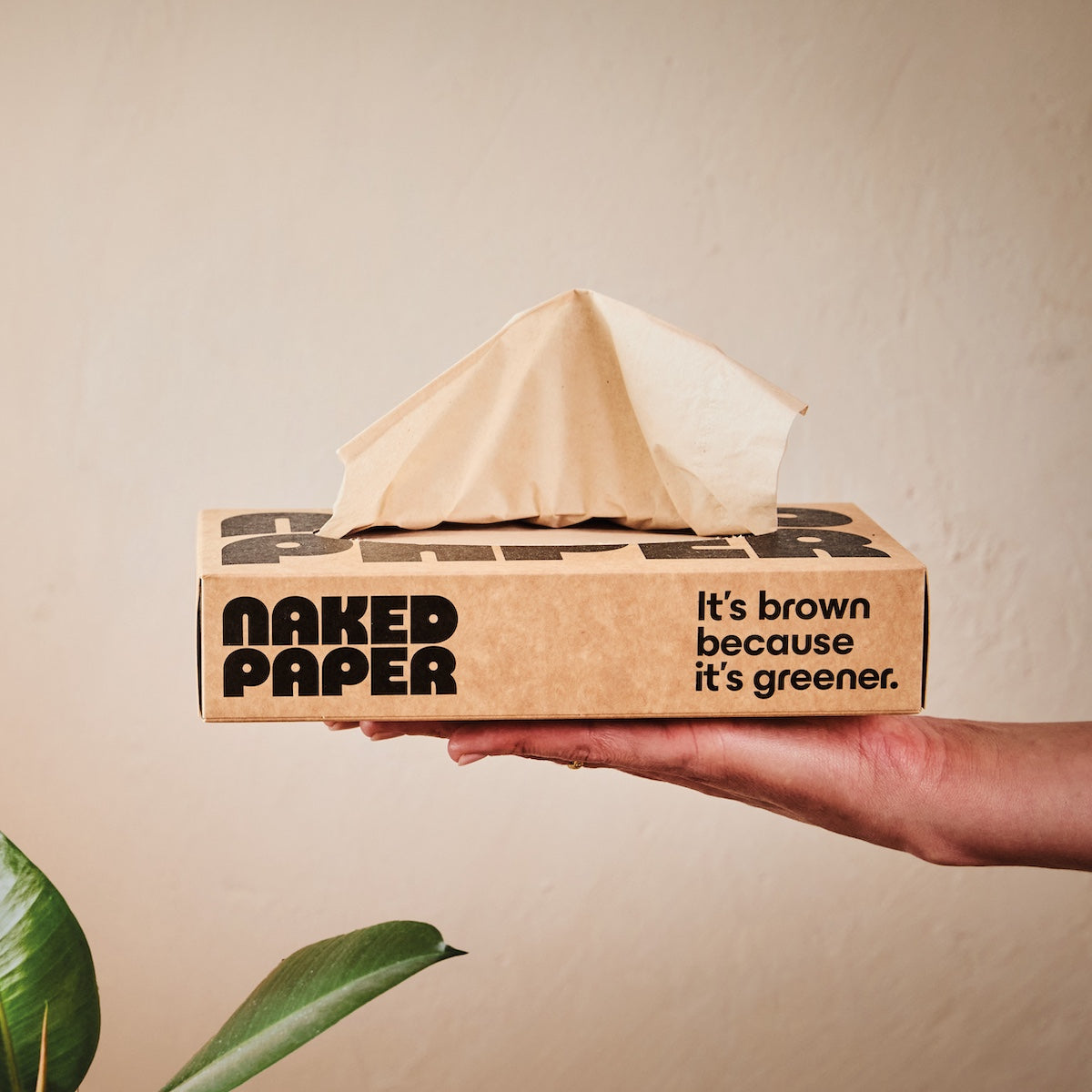
We go one further. We don't just publish our climate footprint on our website, we print it on our boxes too.

Conclusion
When you look past the packaging and dig into how toilet paper is actually made, it becomes clear that the simple loo roll has a heavier footprint than you might think.
Hidden bleach, forever chemicals, and massive amounts hot air are sneaking in behind the scenes, and most of us don’t realise they’re there.
At Naked Paper, we believe transparency is the only way forward. By laying our processes, our ingredients, and our footprint bare, we want to make it easier to know exactly what you're buying. That way you can make a confident choice for your home, and we can make real improvements that add up to something a bit special.
Want to try toilet paper with nothing to hide?
Recent blog posts
-

Why is brown toilet paper better?
When people first see our bleach-free toilet paper in the bathroom, or kitchen rolls on the counter, or tissues on the coffee table, they tend to be curious about the colour. So we like to say Naked Paper is “brown...
-

Is there such a thing as organic toilet paper?
If you've become more conscious of the products put on and in your body in recent years, you're not alone. As we learn more about problems with ingredients that have been regularly added to household products for years, it's natural to...
-

Four hidden impacts of toilet paper (and why they're hard to spot)
Toilet paper is a simple, everyday product that doesn’t always get a lot of attention. In the UK, we get through about 127 rolls per person each year, and we probably don’t think much about any of them. It’s a...


