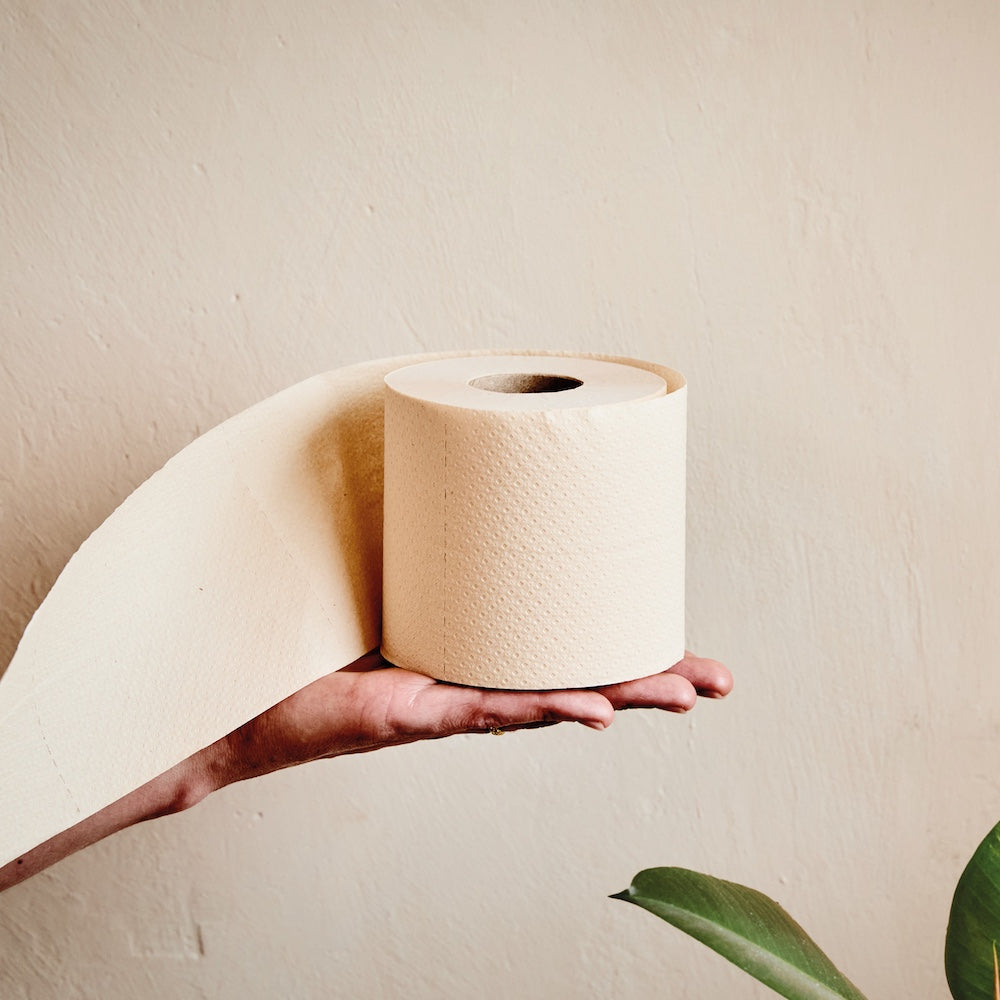
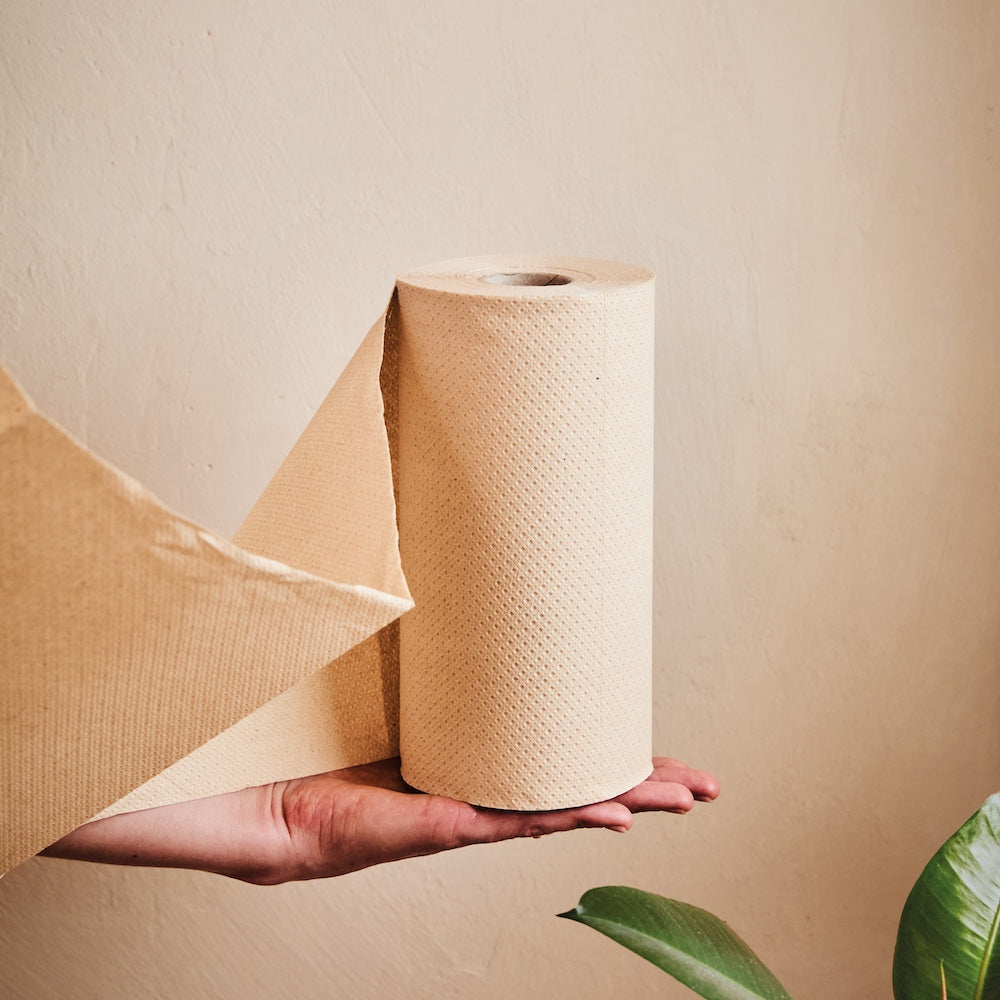
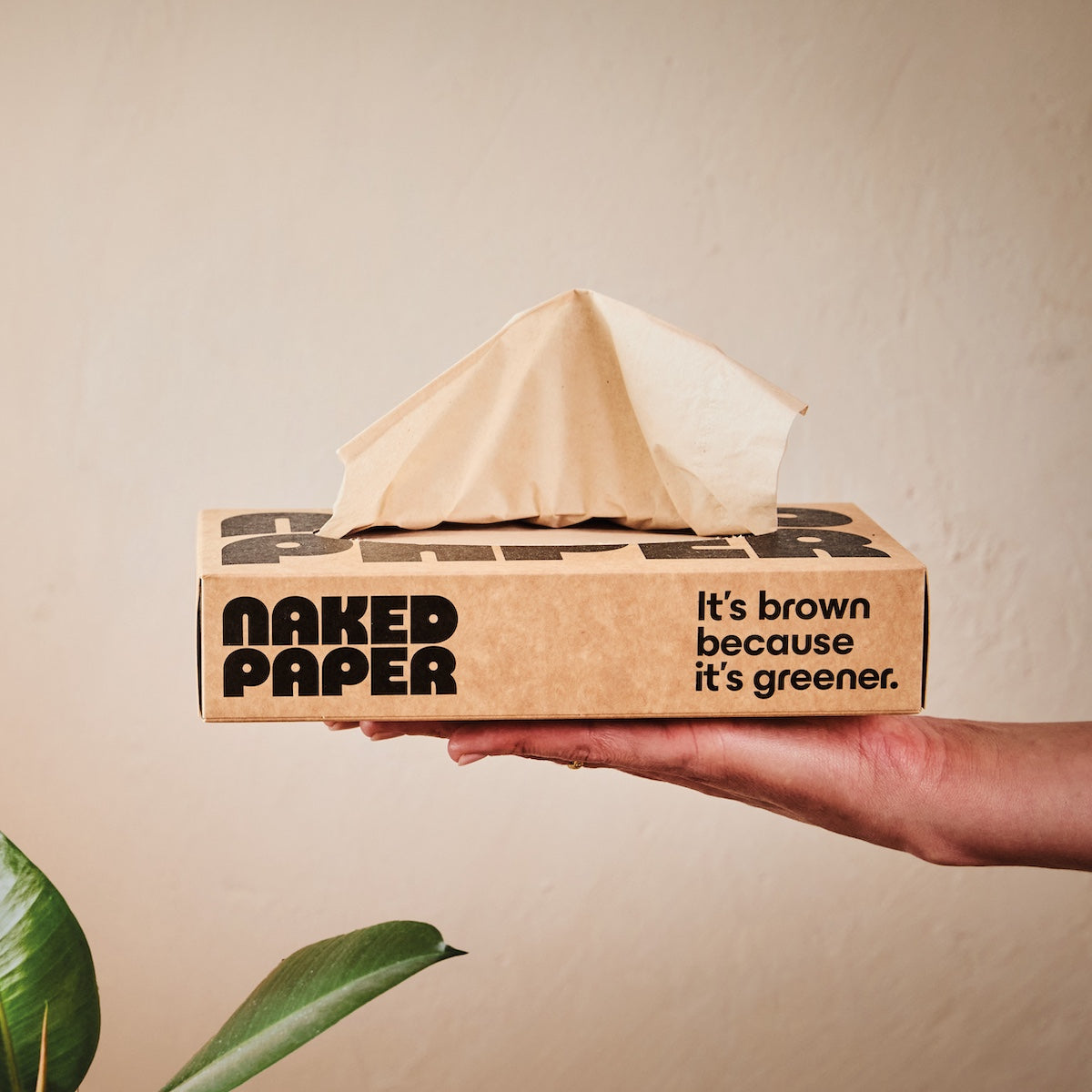

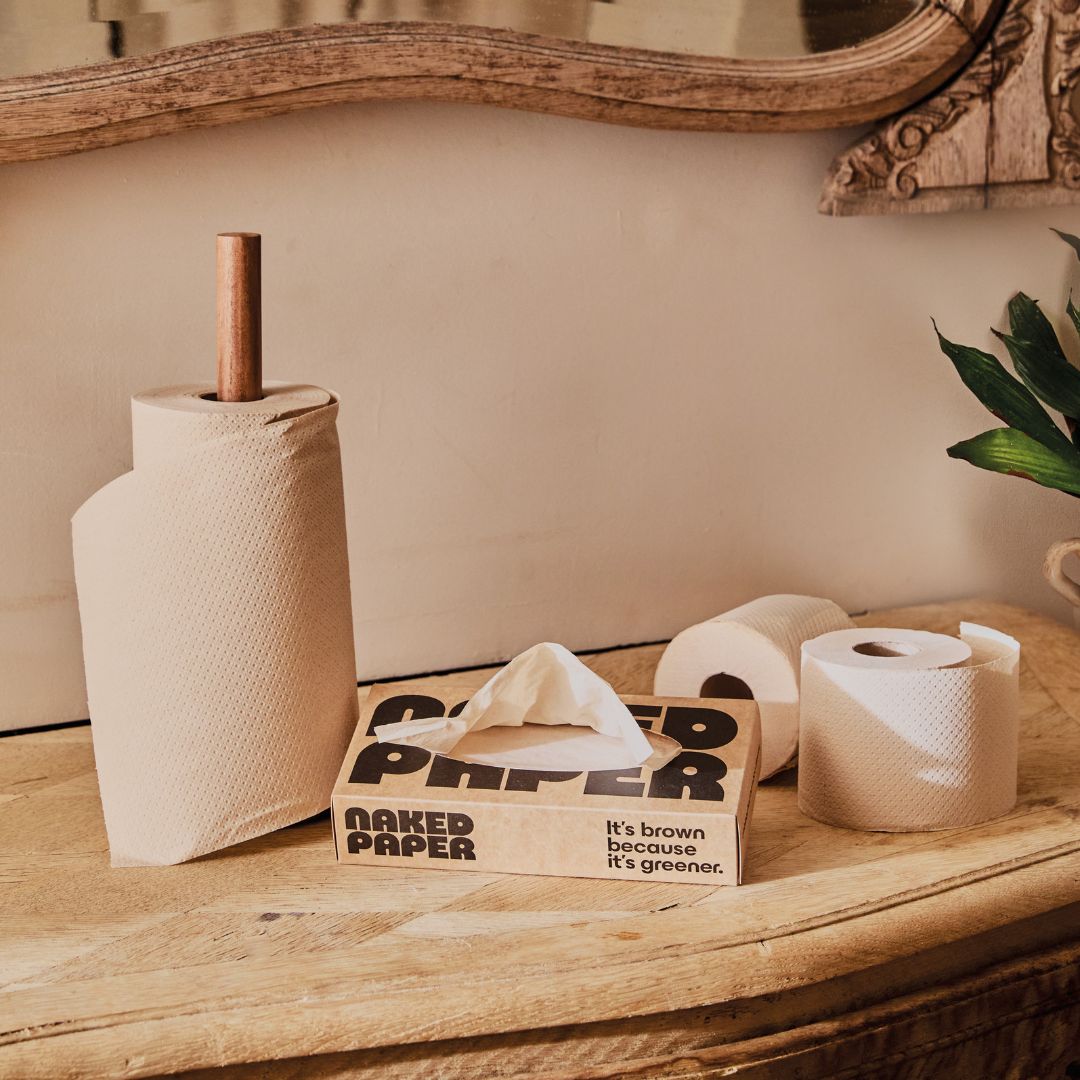

Is there such a thing as organic toilet paper?

If you've become more conscious of the products put on and in your body in recent years, you're not alone. As we learn more about problems with ingredients that have been regularly added to household products for years, it's natural to want better information from the companies who make the things we use every day.
From time to time we hear from customers who would like to know if our toilet paper, kitchen rolls, and tissues are organic. It’s a great question. We’re all used to seeing “organic” on labels for things we eat, but does it work in the world of tissue?
Here’s what we know.

What might "organic" loo roll mean?
Technically speaking toilet paper will always be mostly organic, because it’s made from biological matter. Either it’s plant fibres (such as bamboo or pine) or its recycled paper and card which was originally plant fibres. Nobody’s making loo roll out of plastic or metal (thank goodness).
But in the UK, the term “organic” is only used as an official label for food products, and any foods claiming to be organic have to meet the criteria of specific bodies like the Soil Association.
So when customers ask us if we’re organic, they generally have these criteria in mind.
Responsible management: Are the farms where things are grown managed with respect for the local ecosystem?
Natural growing conditions: Were synthetic pesticides or fertilisers used to help the raw materials grow?
Simple ingredients: Is the final product free from harsh chemicals, scents, and dyes?
At Naked Paper, we don’t make food, so the organic labelling you’d see on food products wouldn’t apply. But we have built our products and processes so that our toilet paper, kitchen rolls, and facial tissues are simple to the core.

1. FSC certified toilet paper for responsible forestry
For our bamboo toilet paper, the journey starts in the forest.
To ensure we aren't contributing to deforestation and that forestry workers have good jobs with fair pay, the forests where our bamboo is grown are FSC certified.
FSC certification is the global gold standard for responsible forest management. Its auditors check that the commercial forests they certify maintain biodiversity and respect local land rights and animal life. FSC standards have also prohibited the use of genetically modified trees in certified forests since 1995.
You can find out more about the forests where our bamboo comes from here.

2. Bamboo grown without pesticides or fertilisers
Fertilisers and pesticides are a key sticking point for people seeking “organic” produce”. Intensively farmed fruit, vegetables, and grain are often treated with extra chemicals to support their growth and reduce pests.
The same is true for trees typically used to make toilet paper. Commercial pine or eucalyptus forestry often relies on added fertilisers to compensate for the loss of minerals in the soil when trees are cut down and replanted.
These kinds of treatments are much less common with bamboo. Because bamboo is a grass, it regrows directly from the stem after being cut, so the soil remains healthy and intact, and it doesn’t need to be supplemented with extra fertilisers.
It’s also naturally incredibly hardy and resistant to pests, so pesticides aren’t generally used either. The two forests that supply our bamboo don’t use pesticides or fertilisers.

3. Simple, straightforward ingredients
That’s our bamboo covered. No pesticides, no fertilisers, and certified by the FSC. What about our recycled toilet paper?
Our recycled toilet paper, kitchen rolls, and tissues are made from post-consumer cardboard and packaging paper collected from the area around our factory. This material is thoroughly cleaned and pulped down to raw cellulose fibres at our factory, and then we’re ready to turn it into loo roll using a handful of ingredients, just like we do for our bamboo products.
We keep our recipes short and simple; just a few basic salts, soaps, and binders. You can read the full ingredients lists for our products here. Nothing we make is bleached white.
Our manufacturing process is so clean that we actually "borrow" water from the nearby river, rather than “use” it. After it passes through our system seven times, river water is returned just as clean as it arrived, with regular checks from the local environment agency making sure.

So, can you get organic toilet paper?
No. As far as we know, there’s no such thing as organic toilet paper.
But by focusing on responsible forestry and a basic ingredients list, we’re doing everything we can to stay true to that same spirit of simplicity and care.
Want to try toilet paper that’s soft on you and soft on the planet?
Recent blog posts
-

The secret life of toilet paper tubes
The chances are, if you’re considering trying a new toilet paper you’re wondering about the thickness, softness, or number of sheets; not the tube they’re wrapped around. It’s fair enough, but we think every part of Naked Paper deserves a...
-

Your loo roll just got softer
We’re always looking for ways to improve Naked Paper, whether that’s tweaking our toilet paper, refining our transportation, or adding new products to help more homes make the switch. Recently, we’ve made some exciting upgrades on the factory floor that...
-

Where to buy eco toilet paper
We talk a lot about the environmental impact of toilet paper on this blog, because we know its important to our customers, and it’s important to us. But at the end of the day the most important thing about toilet...


