


Do people still use handkerchiefs? A short history of blowing our noses

Have you ever paused mid-sneeze and pondered the history of the tissue or hankie you're about to use? Probably not, and who could blame you?
But the humble handkerchief and its modern-day cousin, the disposable tissue, have a surprisingly interesting past; from must-have accessory to modern sanitation.
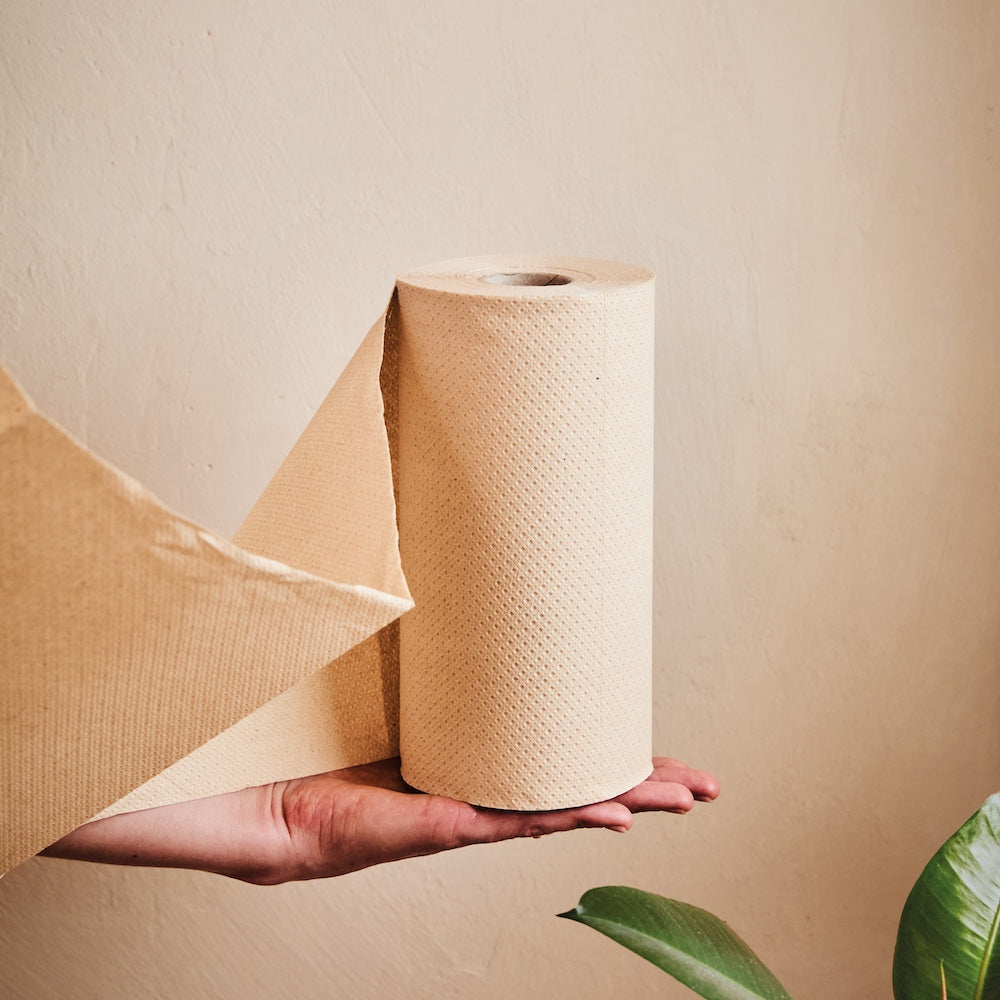
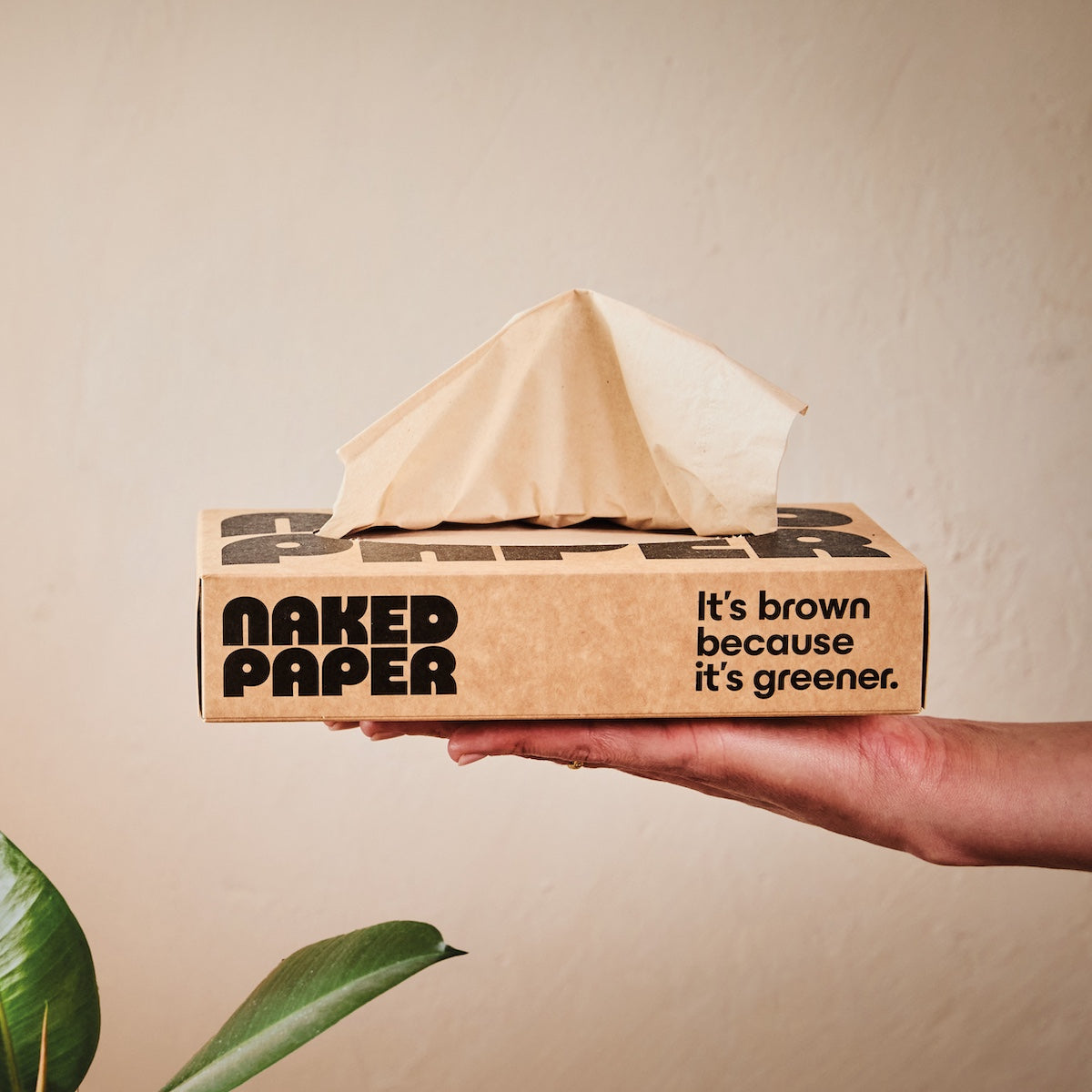
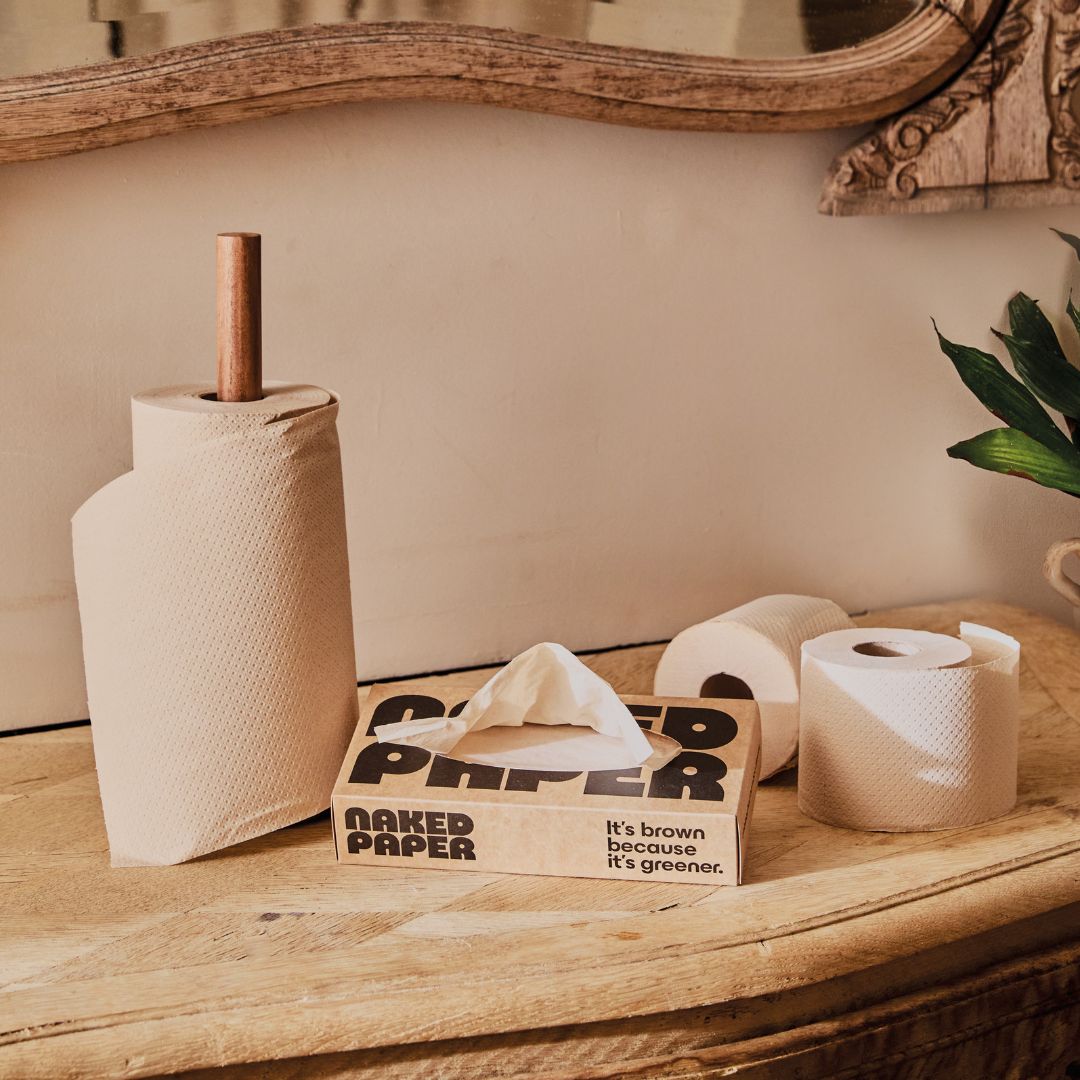
With so many blog posts about toilet rolls, and with our new recycled tissues joining the Naked Paper family, we thought we'd take the time to talk tissues.
How long have these handy disposables been around, and when did they take over from their cloth cousins? Let's take a trip back in time.
The heyday of the handkerchief
It’s likely that the habit of keeping a bit of cloth on you to wipe your face goes back as far as cloth itself. This is actually reflected in the history of the word "handkerchief" itself; a personal cloth (or "kerchief") designed to be carried on hand for everyday use.
We have archaeological evidence of small personal cloths dating back thousands of years. Among the archaeological finds of the Roman Empire, are the 'sudarium,' a cloth used to wipe sweat from the face and neck during hot Mediterranean days.
It isn’t until we get to the European Middle Ages that we start to see evidence of handkerchiefs being used as all-purpose everyday accessories, particularly among members of the aristocracy. For these mediaeval carriers, handkerchiefs provided a way to show their access to rich cloth so they were a way of showing off status.
It’s likely this combination of ideas of personal connection and high status that gives us the classic trope of a fair maiden at a tournament passing on a glove or handkerchief to her favoured knight.

Upper-class delight in handkerchiefs continues through the Renaissance, with the fabric used and embellishments becoming increasingly fancy.
Members of the courts of King Louis the XVI of France were known to carry richly embroidered handkerchiefs of the finest silks and laces. The sheer variety of handkerchiefs being made and used seems to have gotten on the nerves of King Louis. He eventually issued a decree that handkerchiefs should be a standard 16 inch square.
Things were just as luxurious over on this side of the channel; Queen Elizabeth I of England was known for her elaborate collection of handkerchiefs, some of which were adorned with precious gems.
It’s hard to imagine these expensive accessories ever did much heavy-lifting in terms of nose-blowing, face-wiping, and tear-mopping. But people needed to blow their noses back then same as they do now, and one 16th Century Italian writer even offered the following advice for blowing your nose and keeping it classy:
...when you have blown your nose you should not open your handkerchief and look inside as if pearls or rubies might have descended from your brain...
It's a good tip!
One final use that was well established right up to the Victorian era was soaking a handkerchief with perfume to be held to the nose. This was considered an important way of preventing illness. Before modern scientific understandings of disease became mainstream, many people believed you could become sick by breathing in bad odours.
So a handkerchief doused in perfume did double-duty for city-dwellers in the days before public sanitation. It would mask bad smells as you walked through towns and cities and, people thought, protect you from the illnesses the smells could cause.
Fortunately, our understanding of health and illness has progressed since the smell contagion theory. And the handkerchief has progressed along with it.
The disposable tissues box
The 20th century brought a revolution in personal hygiene: the disposable facial tissue.
The global Spanish Flu pandemic of 1918 had made people increasingly concerned about hygiene, and particularly aware of the problem of used handkerchiefs. Although the public was encouraged to use handkerchiefs to catch coughs and sneezes, it was also widely known that those reusable pieces of cloth were a potential health hazard, holding on to germs for days and weeks.

The solution came in the form of the disposable tissue.
Facial tissues were first introduced by the Kimberly-Clark Corporation in the 1920s under the brand name "Kleenex." They were originally marketed as a way to remove makeup and cold cream. It wasn't until the 1930s that Kleenex began to be marketed as a disposable alternative to the handkerchief for sneezing and nose-blowing, thanks to a clever marketing campaign by the company, using the slogan “keep that cold to yourself.”
The campaign by Kimberly-Clark to establish their tissues as the standard in personal hygiene was so successful that the word “Kleenex” is often used in the US as a catch-all for any disposable facial tissue.
With paper tissues on the up and up, the final nail in the coffin of the cloth handkerchief probably came with World War 2, when all fabric was in desperately short supply, and needed to be diverted for the war effort. Global fabric shortages led to changes in fashion, upholstery, and, most likely, the popularity of disposable tissues.

The handkerchief and disposable tissues today
Today, both handkerchiefs and disposable tissues hold their place in society, though their roles have shifted with the times.
Handkerchiefs made today are likely to be decorated and colourful such as the pocket square - an added embellishment that has been included with many men’s suits since the 1920s. In Japan, beautifully patterned cotton handkerchiefs (known as 'hankachi') are a staple accessory. They're used not only for drying your hands but also for wrapping gifts, serving tea, or as a fashionable accessory.
Tissues are evolving as well, with manufacturers finding more and more ways to add supposed health benefits through extra softness, added perfumes and lotions, and even anti-viral coatings.
Tissues that include these added extras are usually more expensive, but the evidence that they actually work to reduce the severity of air-borne illnesses or prevent their transmission is mixed at best. The best way to ensure you’re using tissues in a hygienic way is safely disposing of them after use, and washing your hands afterwards.

By now, facial tissues and handkerchiefs have been firmly split in two camps, with cloth handkerchiefs used for accessorising and decoration, and disposable tissues for health and hygiene purposes.
Interestingly, though, the two might be coming together again; With a growing awareness of sustainability and waste reduction, many people are returning to using handkerchiefs as an eco-friendly alternative to disposable tissues.
But the hygiene and convenience of disposable tissues can't be denied. So at Naked Paper we are very proud to offer disposable tissues made from bamboo or recycled cardboard and paper, manufactured without fossil fuels.
They're perfect for allergies, colds, and daily sniffles. And with ultra soft, smooth sheets and no bleach you won't end up with a red nose.

Conclusion
From their early days in ancient civilizations to their modern incarnations, handkerchiefs and facial tissues have played a significant role in two of the most important parts of being human; looking after our bodies, and showing off our good taste.
So, the next time you reach for that tissue or handkerchief, remember it's not just an everyday convenience; it's a (very small) piece of the fabric of human history.
Happy sneezing!
Want to blow your nose with our sustainable disposables?
Recent blog posts
-

Tales from outside the loo
One of the best things about running Naked Paper is when we get to see pictures of our bleach free toilet rolls, and the boxes they come in, out there in the wild. We recently received this email from our...
-

How we’re cutting waste
It’s difficult to make anything without waste. Whether you’re making bread, boxer shorts or bleach-free toilet paper, there are inevitably going to be offcuts and by-products, water run-off and excess energy. At Naked Paper, we try to reclaim waste and put...
-

Naked Paper reaches 30 million toilet rolls sold
Naked Paper started life in September 2020 with a couple of founders and a container of loo roll. Nearly six years later, in August 2026, we hit a big milestone: selling roll number 30 million. That’s 30,000,000 rolls of soft,...


