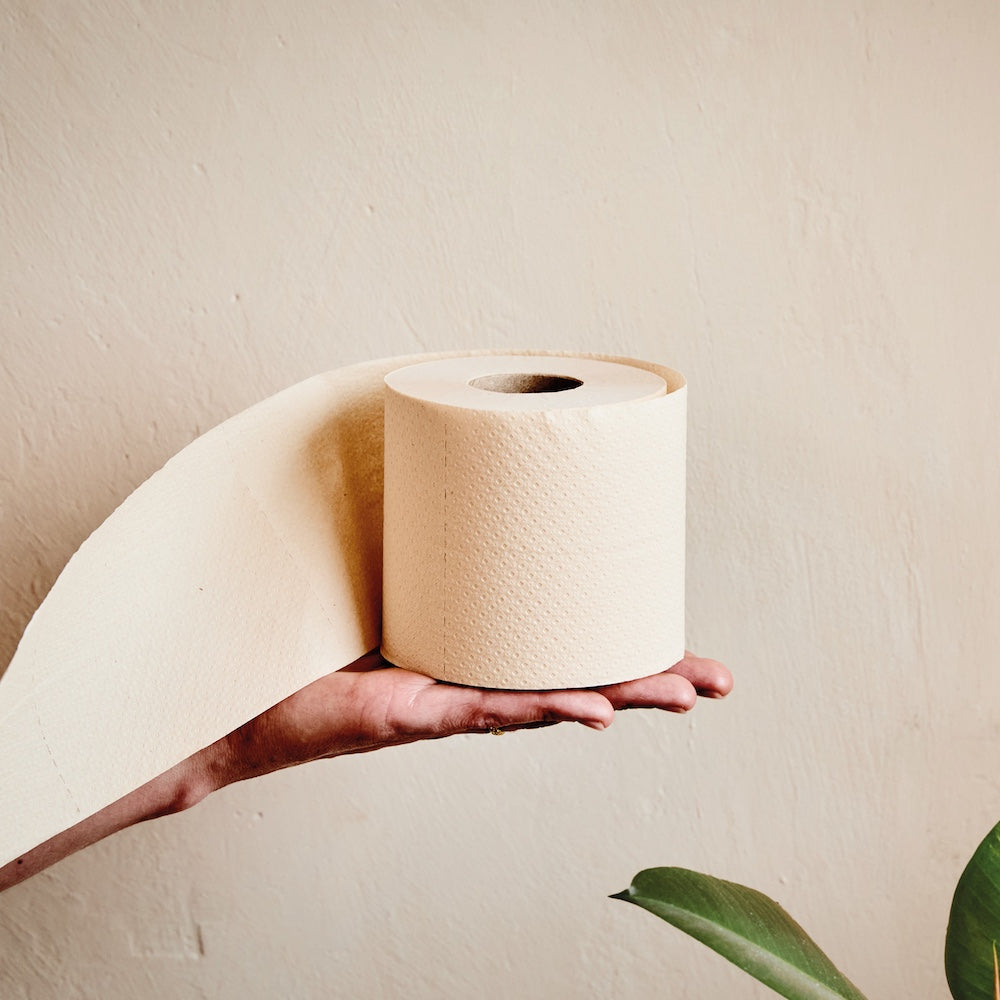
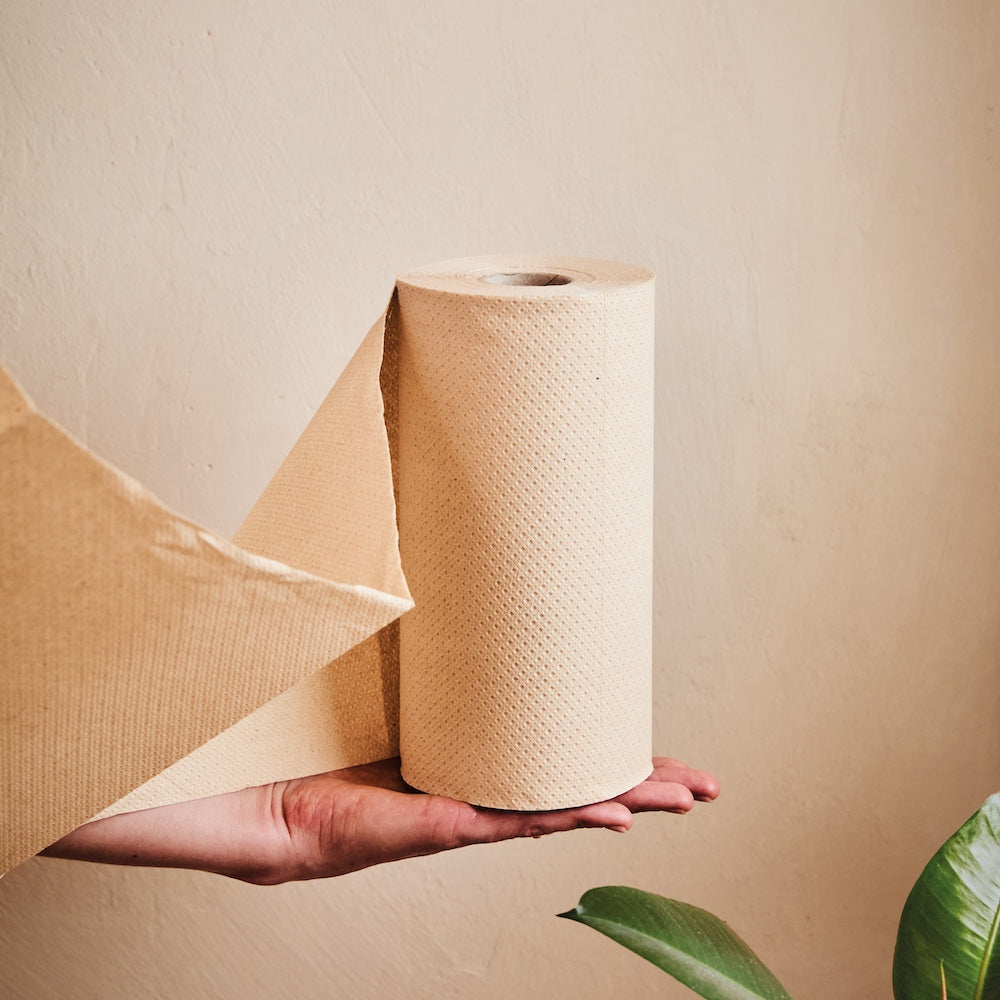
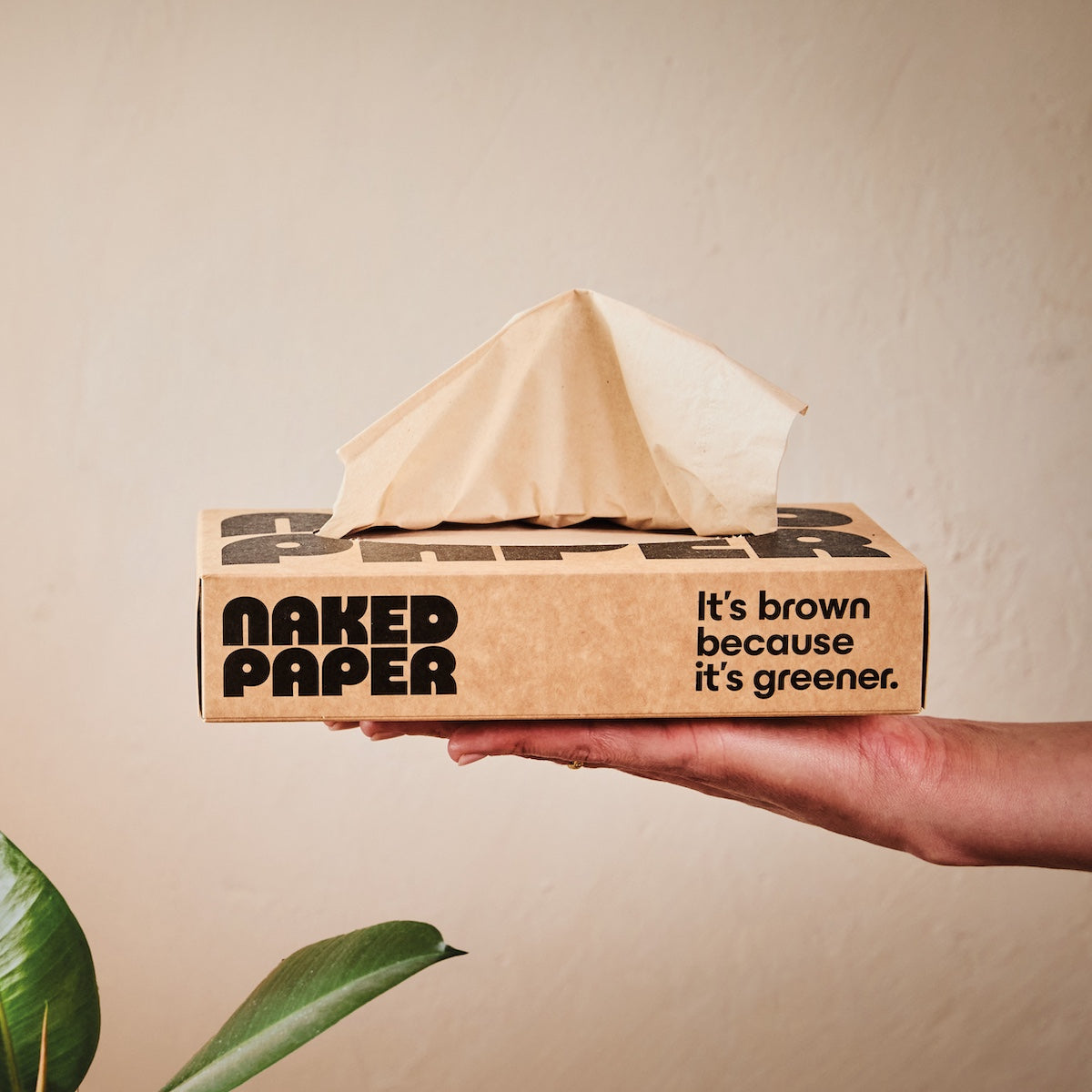

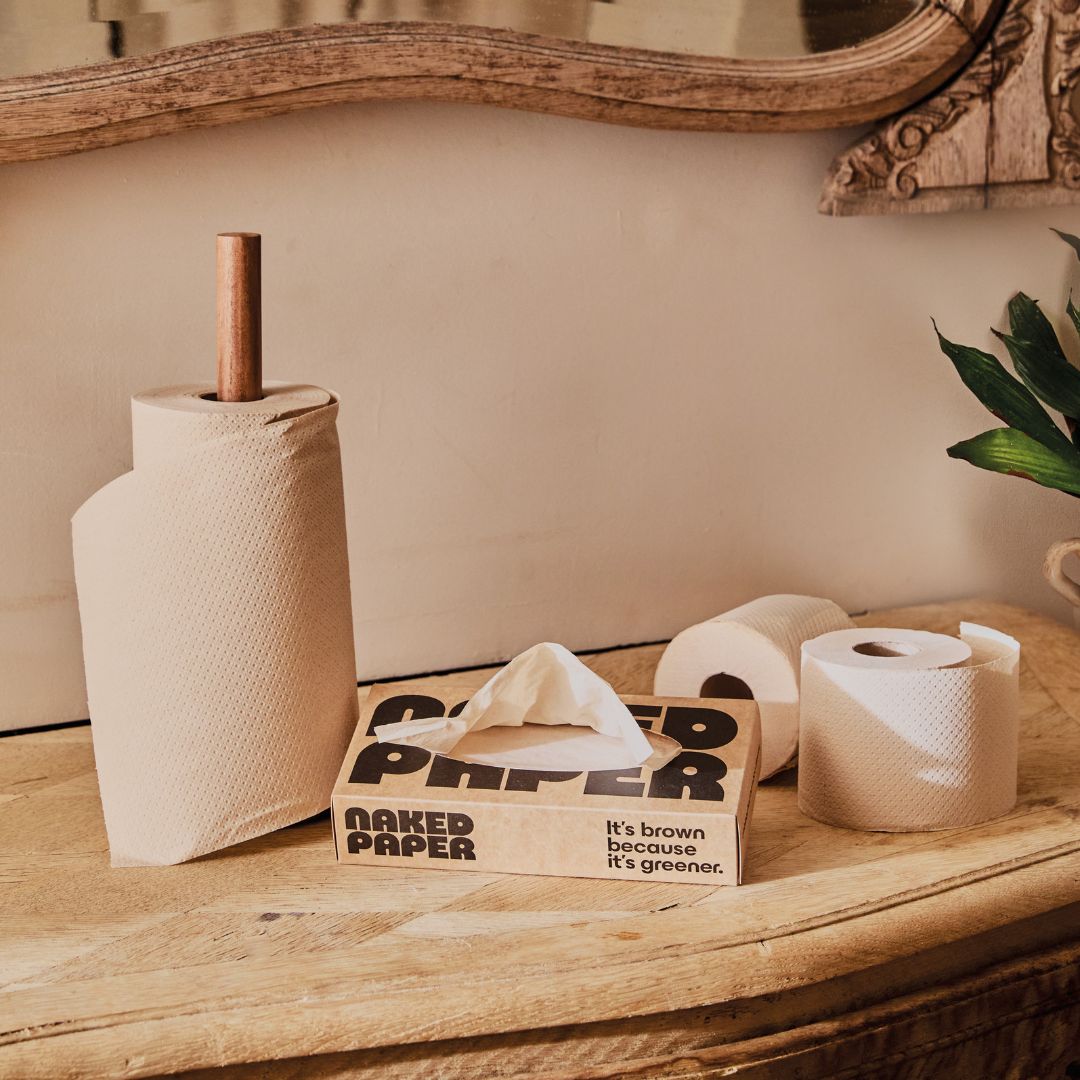

Naked Paper: why we bare it all

For all our talk about our environmental credentials, we know that’s not the bottom line when you’re choosing products for your home. No one’s standing in the supermarket holding a pack of loo roll thinking, yes, but where’s the lifecycle assessment?
So why do we pour so much effort into making our processes transparent? Sharing factory stories, listing our ingredients, and talking about obscure bits of paper machinery like they’re old friends?
It might seem like a lot for something you use once and flush away. And we’re well aware that the level of detail we offer seems unusual, even bordering on obsessive, compared to the standard for household products.
But we’re sticking to our guns. If we’re going to make and sell toilet paper, kitchen rolls, and tissues designed to be used every day, in the home, by the people you love, you should know exactly what goes into them.
We’re staying naked, and here’s why.

1. It’s the right thing to do (and the law agrees)
For a long time, the world of “eco” products has been a bit of a free-for-all. Companies could pick one nice-sounding detail and build their entire brand around it, while quietly ignoring the awkward bits behind the scenes.
Bamboo is a classic example. On its own, it’s a great raw material: quick to grow in natural forests, using less water and land, with no replanting needed after harvest. But if you’re taking that bamboo and turning it into toilet paper by drying it with fossil fuels and shipping it halfway around the world, it’s not necessarily better for the environment than other tissue products.
You just wouldn’t know that from the marketing, because those parts rarely make it onto the box, just that lovely green bamboo.
That kind of selective storytelling is exactly what the UK’s Green Claims Code is trying to fix, and we fully support it. If you’re going to say something’s better for the planet, you should be able to give a full account of how you make it, not just highlight one part.
So this is what we do. We share where our materials come from, how we transport them, what energy we use, and all the other details of making Naked Paper, and we back it all up on our Green Credentials page.
It’s simple honesty, and for any company selling themselves as a more sustainable option, it should come as standard.

2. It makes us better
This might surprise you, but here’s the secret of the Naked Paper team. None of us started our careers with a passion for toilet paper. Shocking, we know.
But when you tell the story of how something’s made, over and over, you get to know it inside out, and you start to take pride in it.
You could take any member of our small team, sit them down, and get them to give a reasonably comprehensive account of our entire production process, from root to roll. Whether we’re working on our financial accounts, setting up our logistics, or writing this blog, we all know how we make Naked Paper.
That shared understanding means ideas come from everywhere in the business. We’re all qualified to weigh in on how things might work better, because everyone understands how their role fits into the bigger picture.
This all-hands-on-deck mentality is a core strength of our business, and it helps us improve and grow.

3. You care
This last one is the heart of it.
People care about what they bring into their homes. You check ingredients on baby food. You read labels on oat milk. You want to know where your veg was grown.
So why shouldn’t you know what’s in your toilet roll?
The products you use every single day shouldn’t contain bleach and harsh chemicals, and they shouldn’t come wrapped in plastic. They should come with clarity. So we talk openly about our processes and our ingredients, because that’s what we’d want too.
And every day we see the evidence that this is the right thing to do in how people respond.
When we send behind-the-scenes stories, people write back. They share stories from their own lives, ask questions that build on the information we’ve given, and often just say thanks.
We recently devoted a newsletter to the machine that dries our tissue and got an inbox full of thoughtful replies from customers, many saying they were surprised that the details of making toilet paper could be so interesting (so were we!)
Replies like this tell us we’re on the right track.

We make Naked Paper
That’s why we keep things transparent at Naked Paper. We don’t just want you to feel confident that our products are made with less emissions and no harsh chemicals. We want you to be as proud to use them in your home as we are to make them.
By sharing our stories, detailing our processes, and opening ourselves up to scrutiny, we’re doing our bit to raise the bar in our own industry and beyond.
If you'd like to learn more about how we make Naked Paper, you might start with our ingredients list. And if you want soft toilet paper that comes with a side-helping of surprisingly interesting facts, you're in good company.
Recent blog posts
-

Why isn't our packaging green?
There’s an awful lot of green about these days. Spend a few minutes paying attention next time you visit the supermarket and you’ll see it; products that are sold as having some kind of environmental benefit are often packaged, labelled,...
-

250,000 thank yous
The life of a loo roll is usually predictable. It starts big, steadily gets smaller, and ends as a cardboard tube. The holder, the hand, the flush. The biggest surprise we serve up at Naked Paper is the fact that...
-

Always brown, never uniform
Every now and then we receive an email like this: "We've been subscribers for a while now and our most recent delivery is significantly lighter than the usual colour of rolls. It's not just the odd roll, it's the entire...


