

Why we're more sustainable

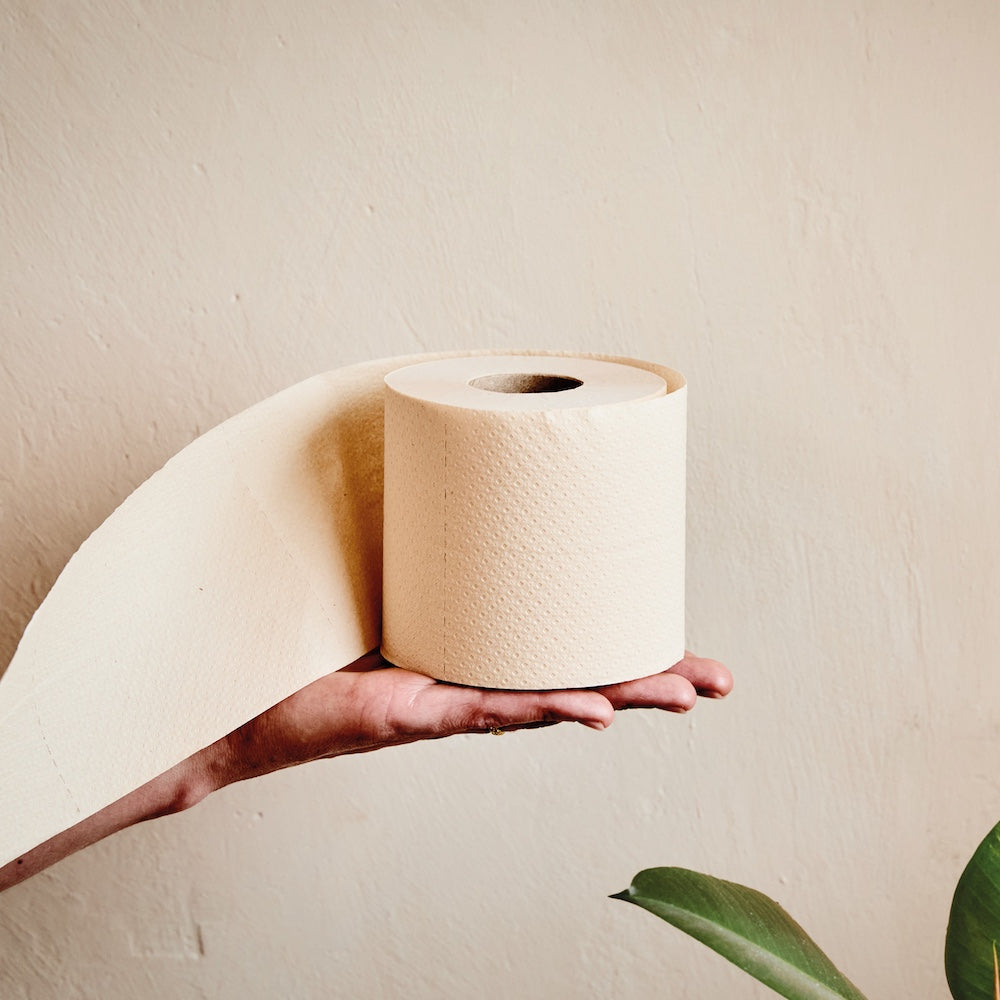
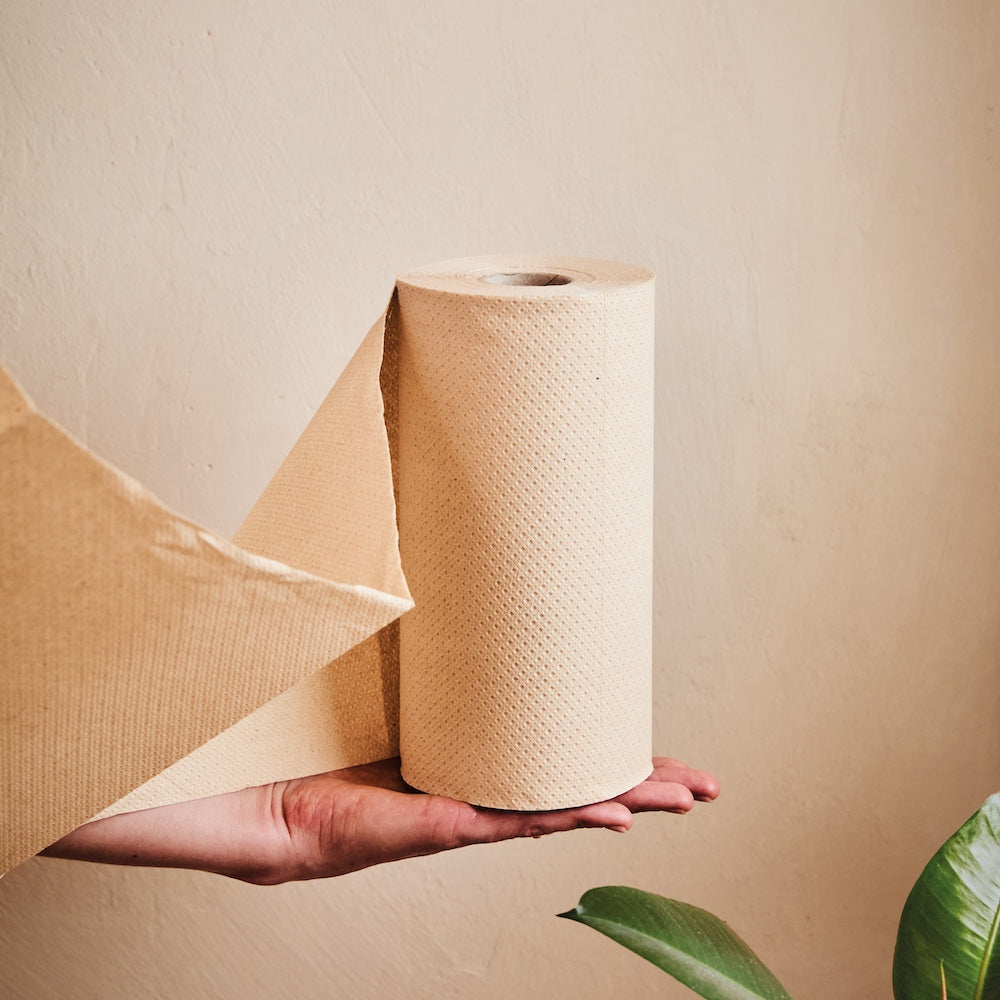
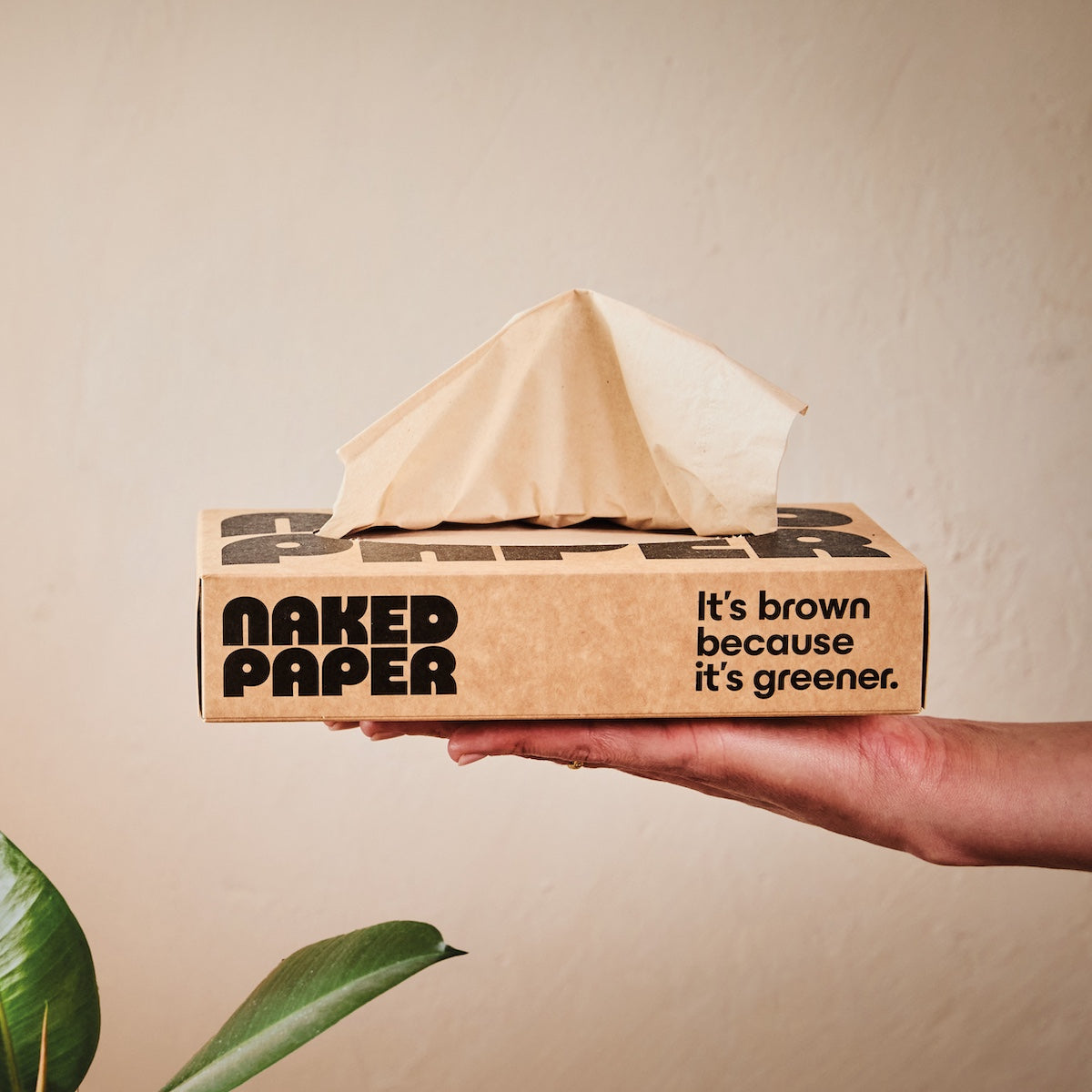
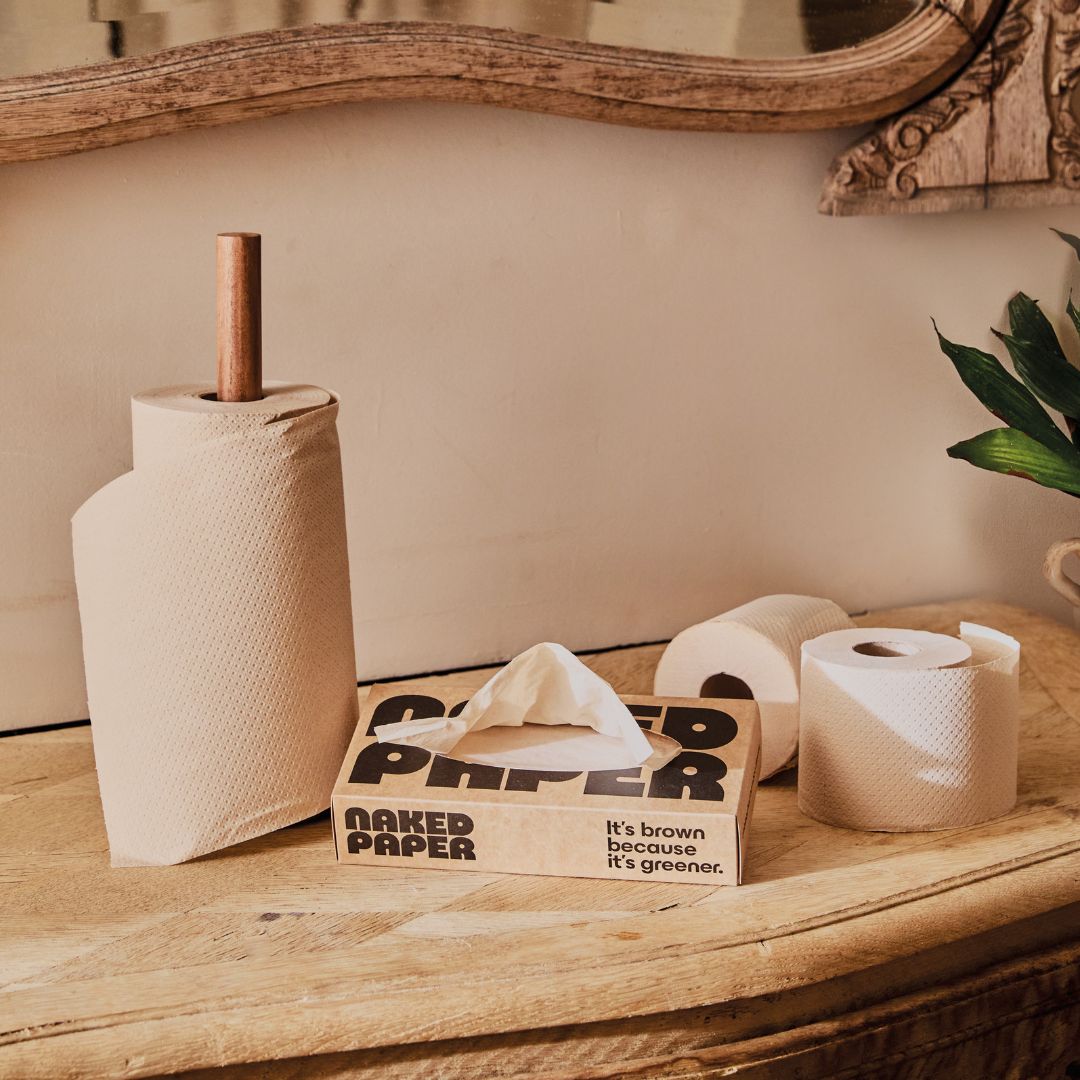
We’ve improved the standard process for making tissue, so Naked Paper toilet paper, kitchen rolls, and tissues are much more sustainable and just as affordable as standard UK toilet products.
Here’s a simple overview of how we do it. Our entire footprint from raw materials, to manufacturing, to delivery and waste.
🌍 What this summary includes
First some important context. This summary is about our emissions, the climate-changing gases that are released as a result of making Naked Paper.
Many companies only report cradle-to-gate emissions. This means they stop counting as soon as the product is ready to leave the factory. That doesn’t tell us the full picture, particularly if products are manufactured far away and shipped globally.
Our footprint is cradle-to-grave. What follows is the whole story of making and transporting Naked Paper; not just making our products but also our raw material transport, delivery, and managing our waste as well.

Stage one: Raw materials 🌿♻️
We start by choosing raw materials and managing supply chains in a way that keeps emissions as low as possible.
Instead of the standard approach (virgin trees, bleaching, long supply chains), we use:
-
♻️ Recycled card and paper collected from businesses near our factory for our packaging, tubes, and recycled tissue.
-
🌿 Bamboo from FSC-certified forests for our bamboo tissue (shipped in compact dried blocks, not finished rolls)
-
🚫 No bleaching, so no extra bleach products.
-
🫧 Simple, non-toxic soaps and salts. More details here.

Stage two: Manufacturing (without fossil fuels) 🔥⚡
This is where Naked Paper really rolls away from the pack.
In standard tissue making, the biggest chunk of emissions comes from drying wet tissue. Sheets of wet pulp are blasted with air heated to up to 650°C. This incredibly intense heat is usually generated by burning natural gas, a fossil fuel.
But we don’t use fossil fuels to dry Naked Paper.
Instead:
-
🔥 Heat comes from burning renewable biofuels (more info on these here!)
-
🌀 We use a patented heat-recirculation system to massively improve energy efficiency
-
⚡ And for the rest of our power needs, electricity is generated on-site using solar, wind, and hydro electric generators.
Because of these changes, manufacturing, which is normally the biggest part of emissions in paper making, is only a tiny sliver of ours.

Stage three: Delivery and waste management 🚂📦
We don’t stop counting when the rolls leave the factory. The final stage of transporting our products to our customers and disposing of our waste includes:
-
♻️ Reusing offcuts and seconds in our recycled products
-
💧 Treating and returning water on-site after circulating it multiple times
-
🚂 Incorporating electrified rail and sea into our product transport rather than relying on roads.
-
📦 Working with delivery partners who are actively transitioning to electric fleets
This final stage makes up the last small slice of our total footprint, and we include it because responsibility doesn’t stop at the factory gate.

It all adds up
That’s how we make Naked Paper.
We choose lower-impact materials, we keep supply chains efficient, we manufacture without fossil fuels, and we report on our whole footprint.
We aren’t offsetting and we aren’t ignoring the final leg of transport.
Want to dive deeper?
If you’d like the full breakdown of each stage, you can read the complete series here:
And if you’ve got questions about our LCA, our data, or our methods please get in touch. We’re always happy to talk tissue.
And if you’d like to meet our products at the end of their journey, head over to our shop.
Recent blog posts
-

Why isn't our packaging green?
There’s an awful lot of green about these days. Spend a few minutes paying attention next time you visit the supermarket and you’ll see it; products that are sold as having some kind of environmental benefit are often packaged, labelled,...
-

250,000 thank yous
The life of a loo roll is usually predictable. It starts big, steadily gets smaller, and ends as a cardboard tube. The holder, the hand, the flush. The biggest surprise we serve up at Naked Paper is the fact that...
-

Always brown, never uniform
Every now and then we receive an email like this: "We've been subscribers for a while now and our most recent delivery is significantly lighter than the usual colour of rolls. It's not just the odd roll, it's the entire...


