

The history of healthy toilet paper

In 1935, Northern Paper Mills ran an advertisement that seems unthinkable today, promising would-be customers that they would find their toilet paper completely “splinter-free.”
It sounds like a punchline to those of us accustomed to the soft toilet paper of today, but it was completely serious. Early tissue manufacturers often left tiny wood fragments in the paper. These were sometimes large enough to see with the naked eye, and they made a trip to the loo a bit of a medical gamble.
While we’ve long moved past the era of physical injury, the modern roll of toilet paper can still harbour a few surprises for the health-conscious. Chemicals like PFAS, BPA, and harsh bleach are common in toilet paper and can come into contact with our skin as a result.
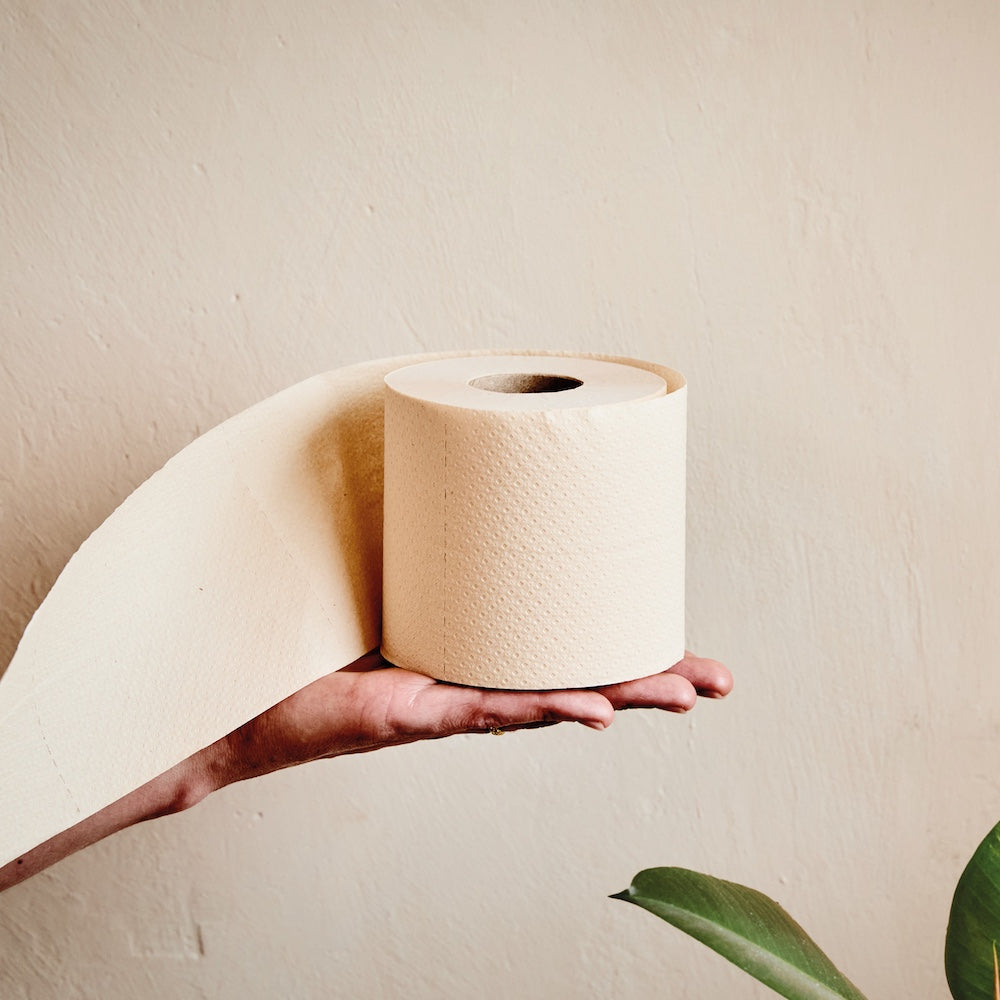
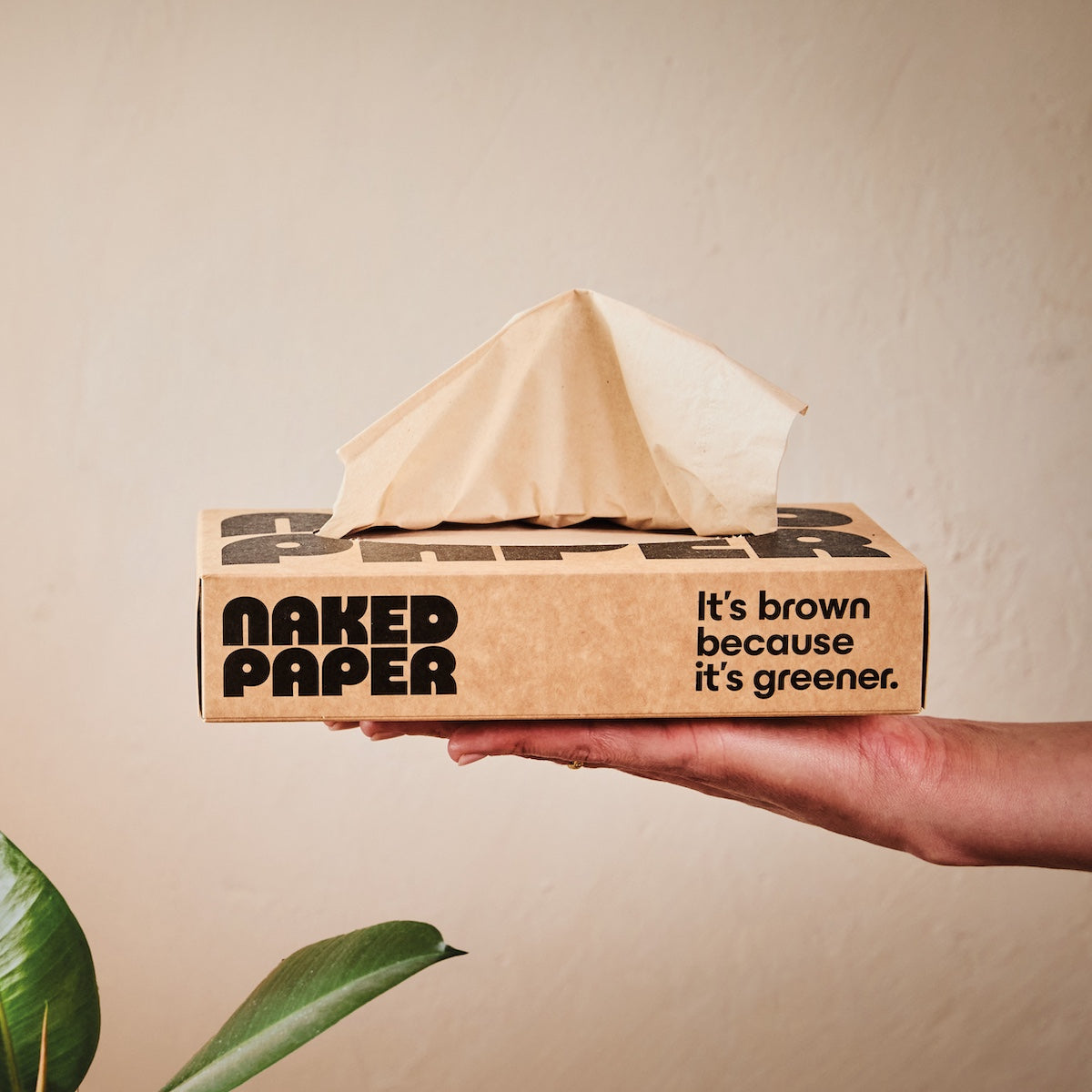
At Naked Paper, we’re taking things back to basics. The next century of hygiene isn’t about what we can add to toilet paper, it’s about what we can leave out.

Toxic “forever chemicals” (PFAS)
You may have heard of PFAS (per- and polyfluoroalkyl substances), more commonly known as “forever chemicals.” This family of man-made chemicals was developed in the 1950s to repel water, grease, and stains. PFAS are why non-stick pans don’t stick and waterproof jackets stay dry.
However, the chemical bond that makes PFAS useful – the link between carbon and fluorine atoms – is almost impossible to break down.
These chemicals can take hundreds of years to degrade, leading the UK’s Environmental Agency to warn of “long-term continuous exposure.” While research is ongoing, the Royal Society of Chemistry has linked PFAS exposure to serious health risks, including fertility issues, liver damage, and certain cancers.
How do PFAS get into toilet paper
But we’re not wiping with waterproof jackets, so what’s the problem?
A 2023 study by the University of Florida found PFAS in all 21 major toilet paper brands tested. While industry groups were quick to point out that no PFAS are “intentionally added” to tissue products, they may still find their way in through water-repellent chemicals used to prevent paper pulp from sticking to factory machinery, or through water-resistant wrapping.
The Naked Paper Standard: We didn’t want to guess. We had our bamboo rolls tested in 2023 and our recycled rolls tested when they launched in 2024. Both tested negative for elemental fluorine; the marker for PFAS. And you don’t have to just take our word for it; we’ve shared our test results here.

Hormone-disrupting BPA
Next up is a chemical more specific to one part of the toilet paper market: recycled toilet paper and the BPA that can come with it.
BPA (Bisphenol A) is an artificial estrogen replacement first used in medical settings in the 1930s. Aside from its hormonal effects, BPA was found to make plastics stronger and more heat-resistant, so it became widely used in packaging and in types of paper that need to withstand heat.
But the fact that manufacturers weren’t using it for its hormonal effects didn’t mean those effects stopped happening. Today we know that BPA disrupts the body’s natural hormonal system and can cause reproductive issues, developmental problems, and cardiovascular disease.
Why BPA ends up in recycled toilet paper
Because it makes paper more heat-resistant, BPA has been heavily used in supermarket receipts and tickets that need to be printed quickly. When people chuck this kind of thermal paper into the recycling bin, BPA can contaminate the entire batch of pulp.
As far as we’re concerned, if a toilet paper brand uses waste paper to make recycled rolls, those rolls should be tested for BPA.
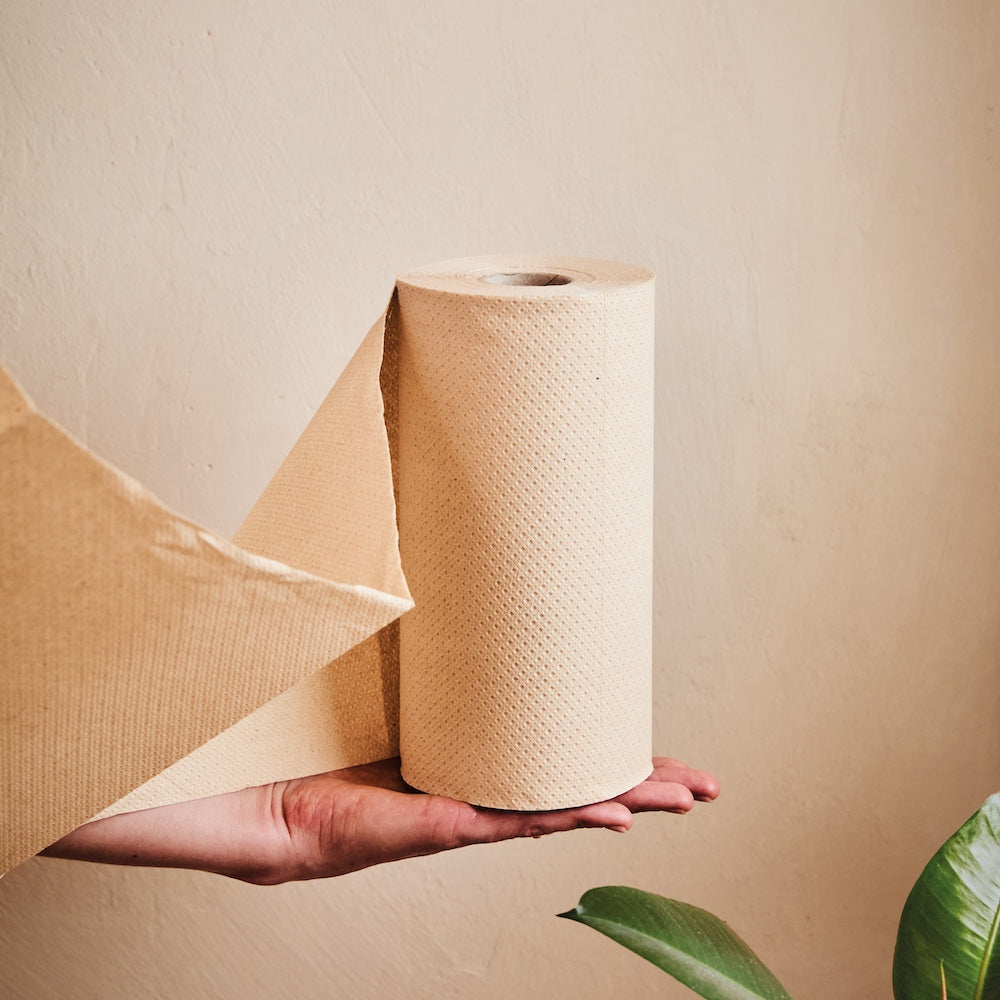
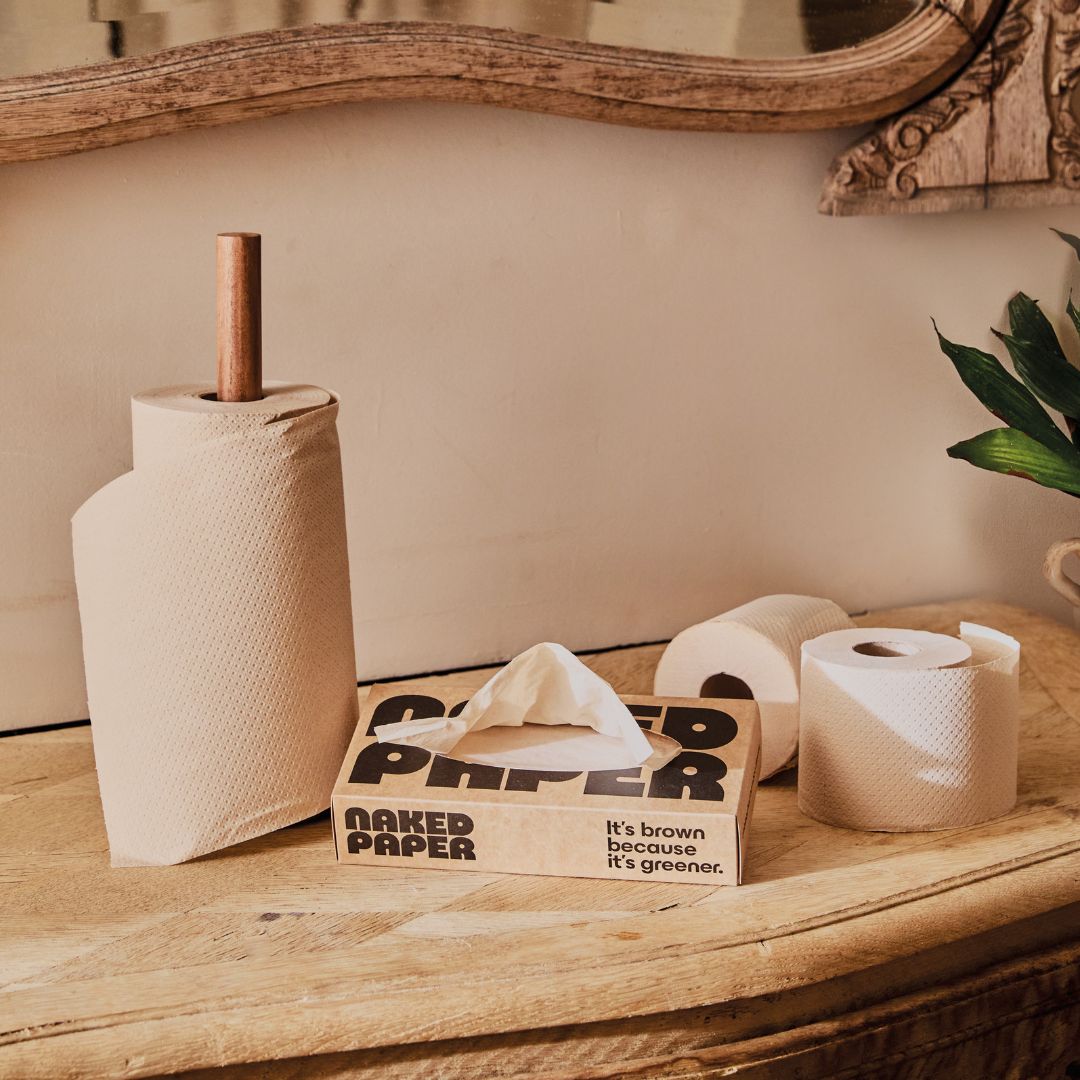
The Naked Paper solution: We avoid the risk of BPA by being selective about our raw materials. Our recycled toilet rolls, kitchen rolls, and tissues are made at our family-run factory in Spain using only old packaging materials, brown kraft paper, and cardboard collected from nearby businesses.
By excluding thermal paper from our supply chain, we eliminate the source of BPA. And just as we do for PFAS, we double-check the final product. Independent lab analysis confirms that Naked Paper bamboo toilet rolls and Naked Paper recycled toilet rolls are BPA-free. You can see our results here.

Bleaching chemicals
Spotting PFAS and BPA is a job for the laboratory, but like the splinters of yesteryear, there’s one common irritant in toilet paper that can still be seen with the naked eye: bleach.
The pristine white colour of traditional toilet paper isn’t natural; it’s the result of a harsh chemical process that separates the cellulose fibre in wood, bamboo, and recycled paper from the natural colours of its source material. The process is purely aesthetic but can leave trace chemicals behind. For those with sensitive skin or chronic irritation, these residues can cause problems.
At Naked Paper, we don’t think the natural colour of our raw materials needs altering. We don’t bleach our bamboo, and we don’t change the natural earthy tone of our recycled cardboard. There’s no bleach and no harsh chemicals at all.
Beyond being PFAS-free and BPA-free, every ingredient used in Naked Paper – from the plant-based glues on our boxes to our natural starch tissue binders – meets REACH certification standards. This means our products are non-toxic and essentially neutral in their environmental impact.

Toilet paper without side effects
Going to the loo shouldn’t be a risky proposition. Today’s health concerns are more complex than the splinters of 1935, and addressing them means paying close attention to the details.
Fortunately, we’re all about details at Naked Paper. Our toilet paper is free from PFAS, free from BPA, and free from bleach. And yes, free from splinters as well.
If you want to know more about what goes into Naked Paper, you can check out our ingredients list here. And if you want to take things back to basics in your own loo, our shop is right this way.
Recent blog posts
-

Why isn't our packaging green?
There’s an awful lot of green about these days. Spend a few minutes paying attention next time you visit the supermarket and you’ll see it; products that are sold as having some kind of environmental benefit are often packaged, labelled,...
-

250,000 thank yous
The life of a loo roll is usually predictable. It starts big, steadily gets smaller, and ends as a cardboard tube. The holder, the hand, the flush. The biggest surprise we serve up at Naked Paper is the fact that...
-

Always brown, never uniform
Every now and then we receive an email like this: "We've been subscribers for a while now and our most recent delivery is significantly lighter than the usual colour of rolls. It's not just the odd roll, it's the entire...


