

Is bamboo toilet paper better for the environment?

Plastic, climate-changing emissions, and harsh chemicals are polluting our planet, and the products we use every day, including toilet paper, are adding to the mess. Consumer surveys show that UK shoppers want affordable alternatives that are made more responsibly, but we’re often left frustrated by vague promises, unfamiliar logos, and greenwashing.
Bamboo toilet paper is often sold as a way to minimise the waste and environmental damage associated with standard tissue products. But is bamboo loo roll better for the environment than other types of toilet paper?

Why is bamboo good for the environment?
There are some solid reasons why bamboo can be a great choice if you're looking for responsibly source raw materials.
Number one is speed. Bamboo grows up to a meter a day for some species. And because it’s a grass, it doesn’t need to be replanted after harvesting. The farmers in our bamboo forests leave stalks at least one foot above ground when they’re harvesting, the plant regrows from that stem and this keeps the root network intact.
What’s more, bamboo can thrive without fertilisers, pesticides, or intensive farming. The bamboo we use for Naked Paper is grown in FSC-certified forests filled with rivers, wildlife, and other plants, a far cry from the monoculture tree plantations that often supply the paper industry.
But, while bamboo has great raw potential, the devil is in the details. It’s not just what you make toilet paper out of, it’s how you make it.

What ingredients are in bamboo toilet paper?
When you’re weighing up the impact of toilet paper made from bamboo, you need to consider the rest of the recipe.
Many toilet paper brands, including some labelled as more sustainable or environmentally friendly, still use bleach as a cosmetic alteration to whiten their rolls. While bright white rolls have been the norm for years, the bleaching process can have a significant environmental impact. Chlorine-based bleaching produces harmful byproducts, including dioxins, which can pollute waterways. Some companies have switched to "elemental chlorine-free" (ECF) bleaching, but even this uses chemicals that must be manufactured, packaged, and transported, all for the sake of a cosmetic change.
And there’s more than just the tissue itself to think about. Some brands colour their toilet paper, add fragrances, or individually wrap rolls in extra layers of wrapping coated in bright chemical dyes. All these extras come with their own environmental cost.
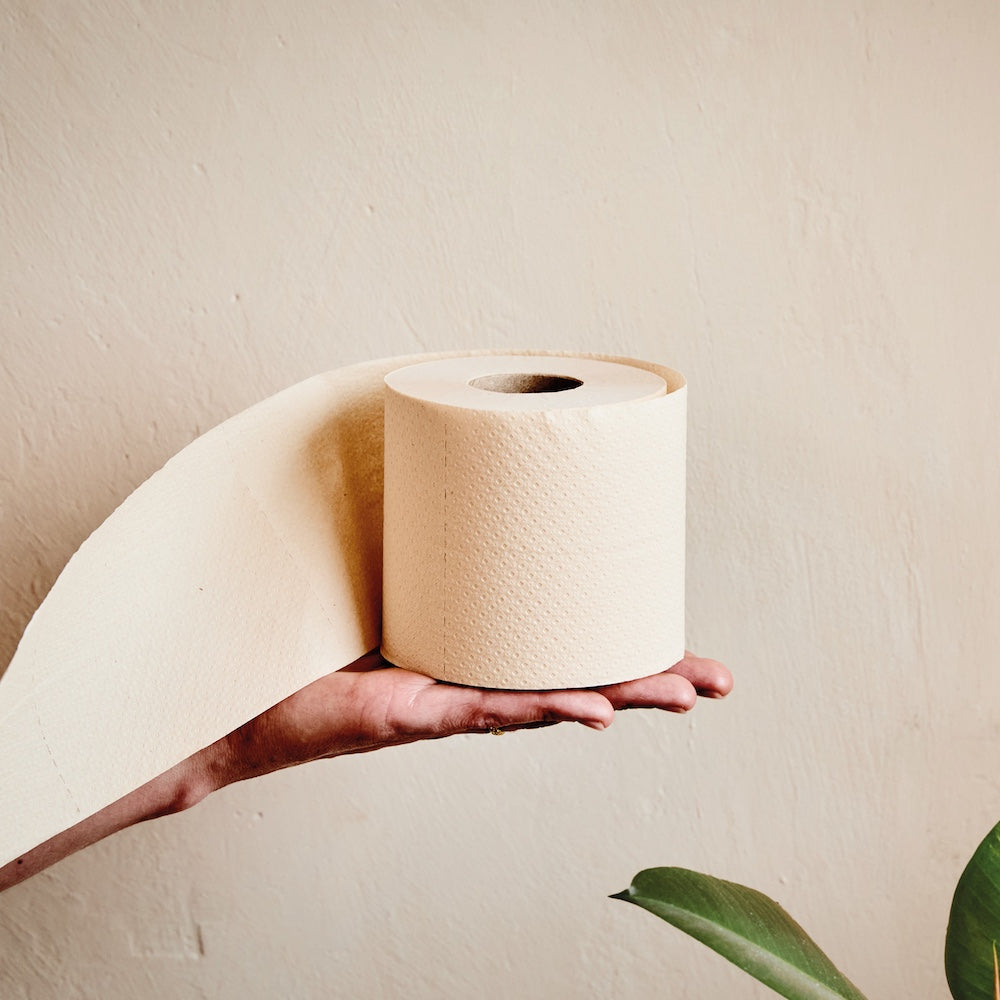
At Naked Paper, we go against the grain. Our soft bamboo toilet paper is completely unbleached and free from harsh chemicals, which means fewer emissions during production and less pollution down the line. You can view our ingredients here.

How is the tissue dried?
This is the big one. Drying the pulp to make toilet paper is the most energy-intensive part of making tissue or any paper product. And if you’re using fossil fuels in your furnaces, the CO2e produced at this stage will be a huge chunk of the overall climate footprint.
Most toilet paper, whether made in the UK or abroad, from bamboo, traditional wood pulp, or recycled material, is dried using the fossil fuel natural gas. But if your toilet paper is certain tissue manufacturing hotspots like China or Indonesia, it might be that the process is powered by coal. A 2025 US study found that bamboo toilet paper produced in China could have significantly higher emissions than domestic-made paper because coal is used so widely as fuel to generate hot air and electricity.
At Naked Paper, we’ve taken a different approach. Our products are made at our wonderful B Corp factory in Spain using renewable biofuel and biomethane (twigs and gas from sheep!), making our manufacturing process fossil-fuel-free. This switch dramatically reduces emissions compared to traditional methods, and it’s one of the reasons we’re able to offer a genuinely low-CO2e alternative to toilet paper made the traditional way.

How far has the toilet paper been shipped?
Shipping is another factor to consider when it comes to the environmental impact of bamboo toilet paper. A common critique is that the bamboo used for commercial manufacturing typically comes from China, which can mean a longer journey than farmed forestry or recycled materials. However, there’s more to the story.
At Naked Paper, we import bamboo pulp to our factory from China by sea freight - using well-used routes that have a known carbon footprint. Shipping square bales of bamboo pulp instead of finished rolls is considerably more space-efficient, meaning that we need far fewer trips than we would if our soft, fluffy toilet paper was manufactured in China.
Once the pulp arrives in Spain, we’ve taken steps to make our logistics network as eco-friendly as possible. For example, we’ve incorporated electrified rail into our supply chain, so our rolls take a big chunk of the journey from Spain to the Channel by train, and we've slimmed down our inner cores so that we can transport more toilet paper with less transport miles.

Naked Paper: bamboo toilet paper done right
So, is bamboo toilet paper better for the environment?
The best way to tell is to look for transparency. At Naked Paper we have an externally audited green credentials page so you can see exactly how we’re making our products, and how other companies compare.
On its own, bamboo grows quickly and doesn’t need to be farmed intensively. But to understand the real impact of any product you need to consider the total footprint of its raw materials, energy, and transport.
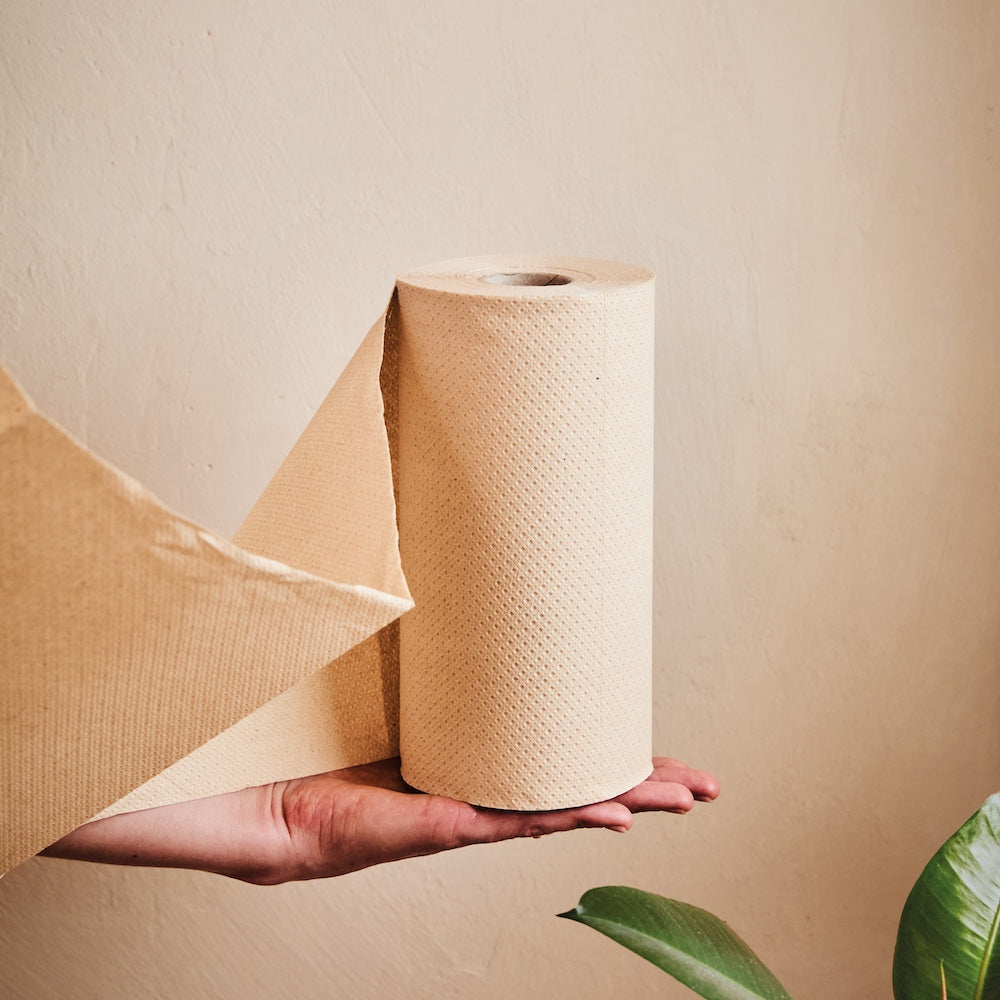
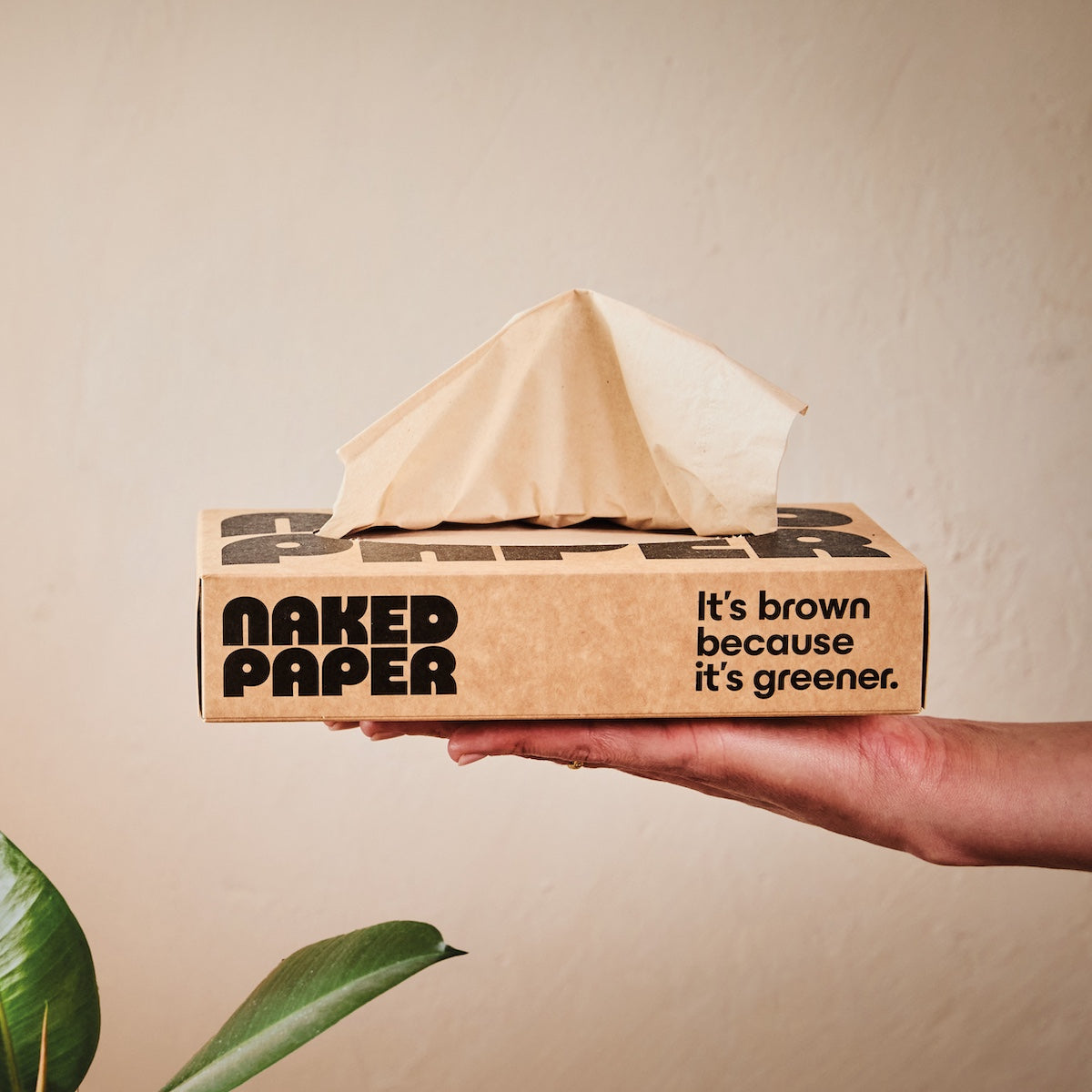
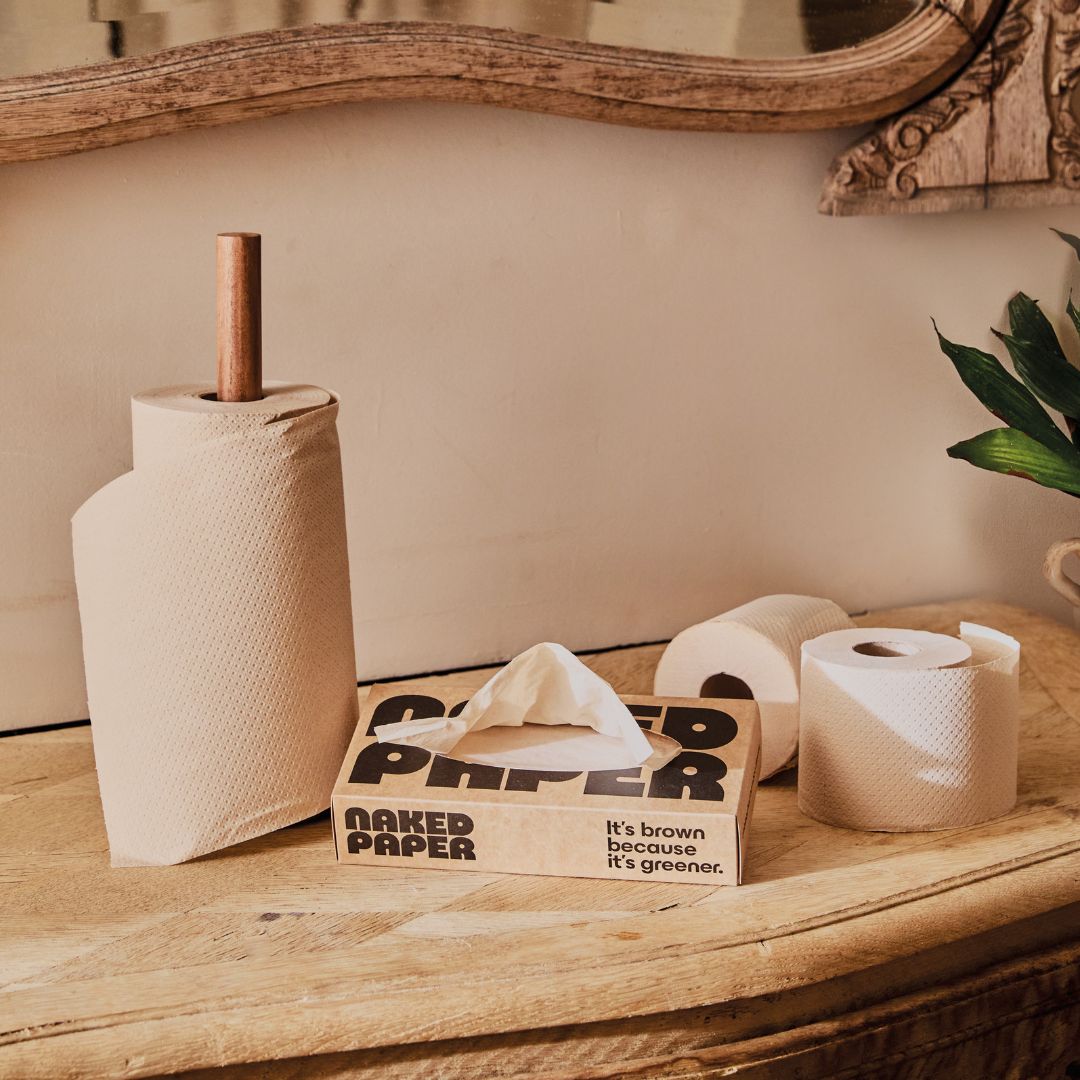
We’re proud to make bamboo toilet paper, boxes of tissues, and paper kitchen towels with less impact in far more ways than one (and recycled toilet paper too!)
Want to put our bleach-free bamboo to the test?
Recent blog posts
-

Why isn't our packaging green?
There’s an awful lot of green about these days. Spend a few minutes paying attention next time you visit the supermarket and you’ll see it; products that are sold as having some kind of environmental benefit are often packaged, labelled,...
-

250,000 thank yous
The life of a loo roll is usually predictable. It starts big, steadily gets smaller, and ends as a cardboard tube. The holder, the hand, the flush. The biggest surprise we serve up at Naked Paper is the fact that...
-

Always brown, never uniform
Every now and then we receive an email like this: "We've been subscribers for a while now and our most recent delivery is significantly lighter than the usual colour of rolls. It's not just the odd roll, it's the entire...


